

Health Resources Hub / Joint Health / Fibromyalgia
A Doctor’s Reality Check on the Cyclospora Outbreak
Jacob Teitelbaum, M.D., makes the case that the public health cost of produce avoidance during the cyclospora outbreak, including its effects on heart disease, diabetes and overall mortality, could far outweigh any benefit for the vast majority of Americans.
Advertisement
Advertisement
By
Lana Pine| Published on July 27, 2026
Fact checked by:
Afton Woodward5 min read
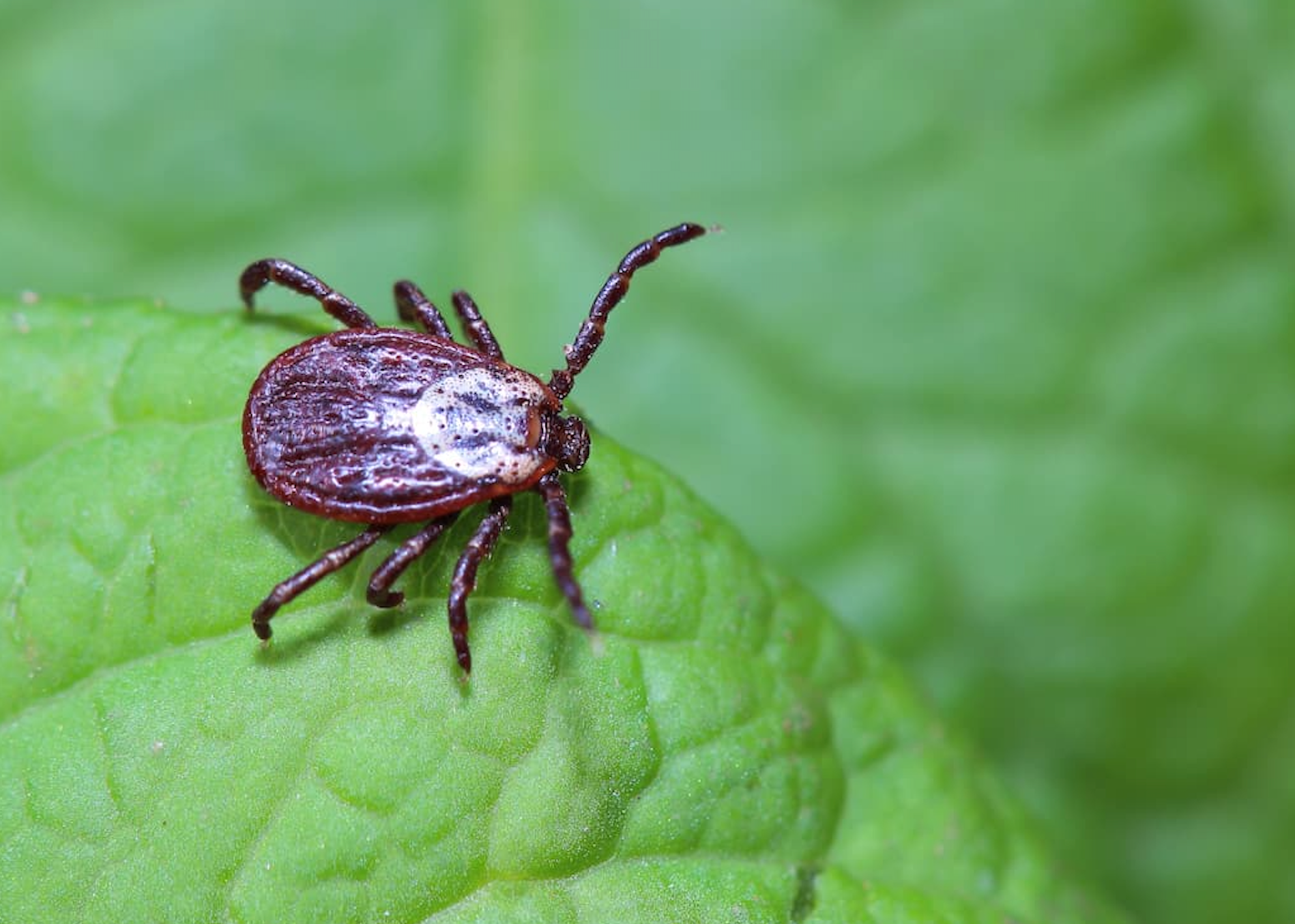
The headlines have been alarming. Thousands of cyclospora cases across dozens of states, warnings about contaminated produce and a parasite that standard washing cannot reliably eliminate. For many people, the instinct has been to avoid fresh fruits and vegetables altogether until the outbreak passes. Jacob Teitelbaum, M.D., a board-certified internist and nationally recognized expert in chronic fatigue syndrome, fibromyalgia, sleep and pain, and author of 12 books, wants to pump the brakes on that reaction before it causes more harm than the outbreak itself.
Teitelbaum’s message is grounded in perspective. The risk of serious illness or death from cyclospora for the average healthy American is, in his words, far lower than the risk of being struck by lightning. Meanwhile, the long-term consequences of abandoning fresh produce, even temporarily, are anything but trivial. With decades of clinical experience and a deep familiarity with how the standard American diet is already failing most people nutritionally, he makes a compelling case that fear-driven eating habits may be the bigger public health threat hiding inside this outbreak.
The cyclospora outbreak is all over the news right now, and people are genuinely scared. How worried should the average healthy American really be when you put the numbers in context?
Jacob Teitelbaum, M.D.: To put it in perspective, one is much more likely to die from being hit by lightning than from a cyclospora infection. Mostly, it is an inconvenience. But in very fragile people, one might choose to take extra precautions because the diarrhea can be dehydrating. If one gets diarrhea, the key factor is to drink plenty of water to avoid dehydration. In the vast majority of cases, the diarrhea will not be from cyclospora.
We have been telling people to wash their produce thoroughly, but earlier in this outbreak, we learned that standard washing does not kill cyclospora oocysts. How do you reconcile that with your advice to keep eating raw vegetables?
JT: The washing is not meant to kill the parasites, but rather to wash them off the fruit. Because the parasites are sticky, the washing is only modestly effective at getting rid of them. But since the cost of eliminating the risk entirely is far greater than the benefit, what makes the most sense is a middle path. Give the fruits and vegetables a thorough washing. For now, if you are at high risk, consider just using smooth vegetables or berries, such as blueberries, or fruits or vegetables that can be peeled. However, even this concern can create bad habits that make it not worth bothering with for most people beyond simply washing the fruit or vegetables, which is reasonable common sense in general.
The standard American diet is already low in fruits and vegetables. What is your concern about what a prolonged fear of produce could do to public health beyond the outbreak itself?
JT: The standard American diet already loses a full 50% of its key vitamins and minerals in food processing. This contributes to a wide array of illnesses and deaths, including heart disease, diabetes, fatigue, pain and numerous other problems. Worsening nutrition further by avoiding fruits and vegetables or even cooking them is a horrible idea. Eating raw veggies (not cooked ones) is associated with a 15% lower risk of heart attack death and 13% lower risk of overall death. It has been estimated that an adequate fruit and vegetable intake would contribute to millions of preventable deaths from heart attack and stroke each year.
Getting people out of the habit of eating fresh fruits or vegetables that could save millions to prevent zero deaths from the current cyclospora outbreak is a horrible bargain.
You mentioned early research suggesting curcumin may help speed the elimination of cyclospora. How excited should patients be about that, and what would you tell someone who wants to try it right now?
JT: That research is just on animals and too early for me to recommend just for this. On the other hand, using a high-absorption curcumin has such a dramatic array of health benefits that I take one 750-milligram capsule myself each day for general health, with the effects on cyclospora being one more possible side benefit. The problem is that most turmeric or curcumin is poorly absorbed, so I use a high-absorption form of curcumin called CuraMed.
Is there anything else you’d like our audience to know?
JT: It is important to maintain perspective when looking at health articles. Common sense, such as eating a healthy diet, can help prevent or ameliorate many of the problems we worry about, as can other easy (and enjoyable) health habits.