

Health Resources Hub / Women's Health / Endometriosis
Alarming, but Usually Not Dangerous: Understanding Decidual Casts
Allyson Augusta Shrikhande, M.D., discusses the connection between decidual casts and conditions like endometriosis and adenomyosis, and why the cast itself isn't diagnostic on its own.
Advertisement
Advertisement
By
Lana Pine| Published on September 14, 2026
4 min read
A decidual cast can be a frightening experience for patients, even though it's generally not dangerous, according to Allyson Augusta Shrikhande, M.D., a board-certified physical medicine and rehabilitation specialist and chief medical officer at Pelvic Rehabilitation Medicine (PRM). Unlike a typical menstrual period, where the uterine lining sheds gradually over several days, a decidual cast occurs when that lining comes away all at once, sometimes in a shape resembling the uterus itself. While the appearance can be alarming, Augusta Shrikhande said it isn't something that requires an emergency room visit.
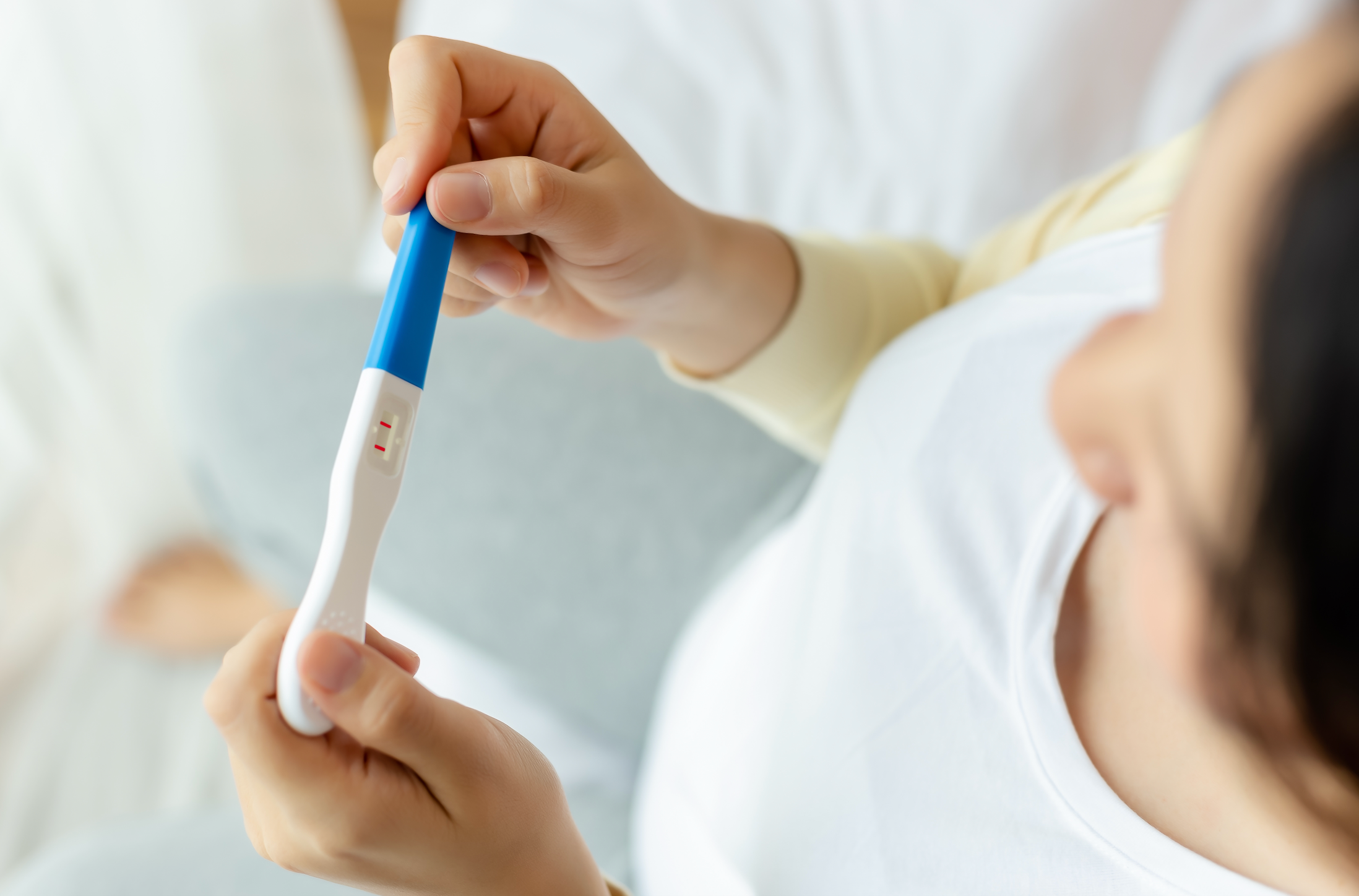
The one essential step, she said, is confirming pregnancy status. Because decidual casts can sometimes overlap with pregnancy-related concerns, Augusta Shrikhande recommends taking a pregnancy test if one occurs. If that test comes back positive, she advises seeing a doctor right away.
The Connection to Endometriosis and Adenomyosis
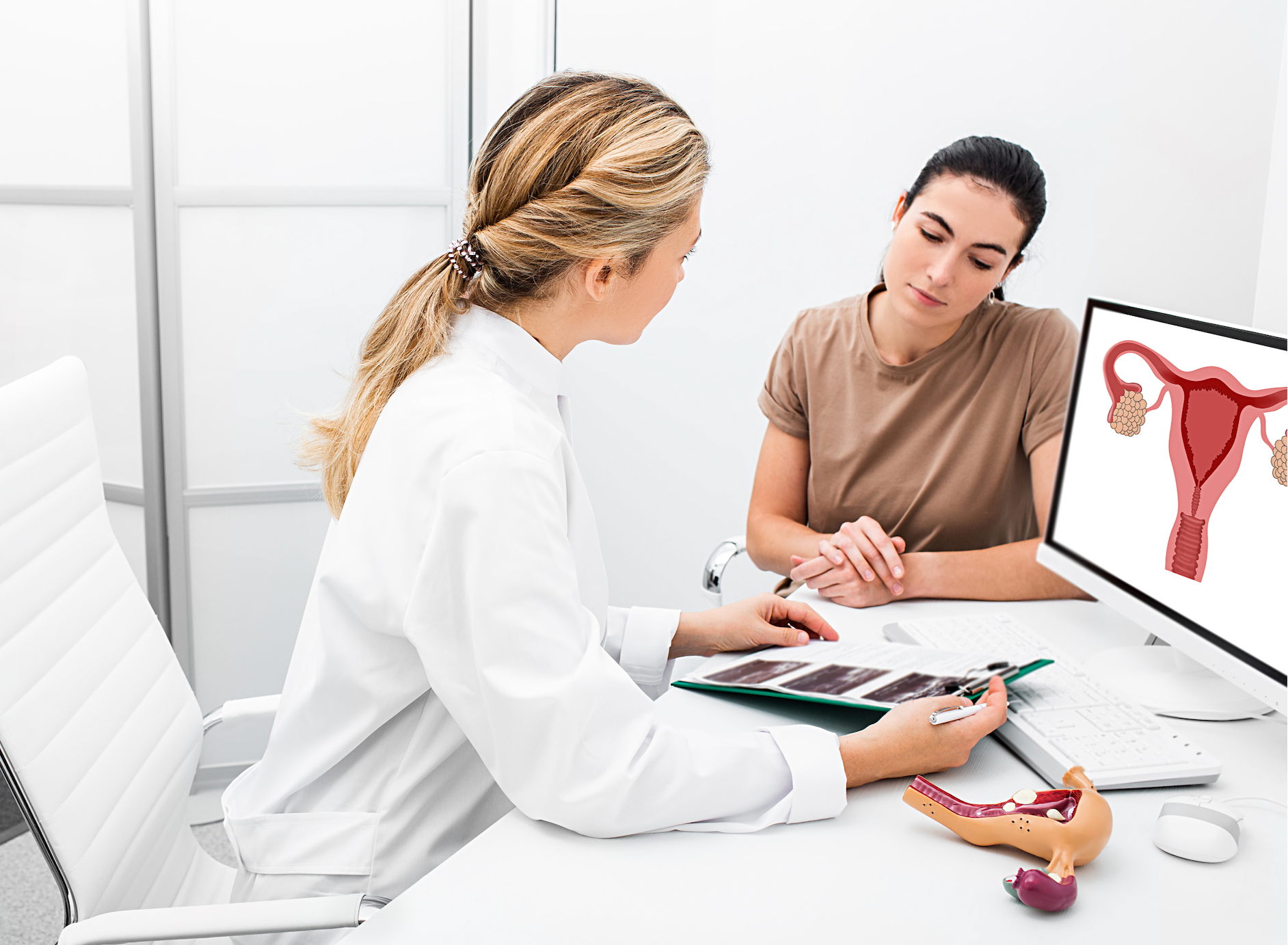
Augusta Shrikhande explained the distinction between the two conditions often associated with decidual casts: endometriosis involves endometrial-like tissue found outside the uterus, while adenomyosis involves endometrial tissue found within the uterus's muscular lining. Decidual casts occur more frequently in patients with either condition than in the general population, but Augusta Shrikhande emphasized that a single finding is not diagnostic.
Instead, a decidual cast becomes clinically meaningful when it appears alongside other symptoms. Augusta Shrikhande pointed to a range of red flags worth discussing with a doctor: missing school, work or social activities due to period pain; difficulty with exercise or sleep tied to menstrual symptoms; pain during intercourse; pain with bowel movements; or bladder symptoms like urgency, frequency or burning, particularly when a suspected UTI tests negative. She also noted that endometriosis symptoms frequently overlap with gastrointestinal issues, such as bloating, lower abdominal discomfort and constipation, which often leads patients to a gastroenterologist before they ever reach a diagnosis tied to endometriosis.
Rethinking Hysterectomy as a "Cure"
Augusta Shrikhande addressed a persistent misconception she sees often at PRM: that a hysterectomy serves as a definitive treatment for endometriosis. Because adenomyosis involves tissue within the uterus itself, removing the uterus can serve as a definitive treatment for that condition. Endometriosis, however, involves tissue located outside the uterus, meaning a hysterectomy does not address the underlying disease. Augusta Shrikhande said many patients arrive at PRM believing their hysterectomy should have resolved their endometriosis, only to learn that wasn't the case.
Before considering any irreversible procedure, Augusta Shrikhande said it's essential to first understand what's actually generating a patient's pain. She described PRM's approach as a whole-body, multidisciplinary model that includes nonoperative options such as pelvic floor physical therapy, nonsteroidal anti-inflammatory drugs, certain hormonal medications, and the PRM Protocol, an in-office procedure targeting inflamed nerves and pelvic floor guarding associated with pelvic pain. Nutrition, mindfulness, meditation, and exercise serve as adjunctive treatments alongside these core approaches, with imaging used as needed to evaluate for conditions such as adenomyosis.