

Health Resources Hub / Heart Health / Dyslipidemia
Beyond Statins: How Oral Nonstatin Cholesterol Medications Stack Up
A review of 43 clinical trials found that oral combination therapies, particularly obicetrapib plus ezetimibe and bempedoic acid plus ezetimibe, lowered LDL cholesterol the most among nonstatin pills.
Advertisement
Advertisement
By
Lana Pine| Published on November 3, 2026
Fact checked by:
Afton Woodward4 min read
For people who can’t tolerate statins or haven’t reached their cholesterol goals while taking them, combining two oral nonstatin medications may offer the biggest drop in LDL cholesterol, according to a new analysis of more than 17,000 participants.
The systematic review and network meta-analysis was published in the open-access journal Endocrinology, Diabetes & Metabolism.
Statins Don’t Work for Everyone
Dyslipidemia, which includes high levels of LDL (“bad”) cholesterol, is a major driver of atherosclerotic cardiovascular disease (ASCVD). ASCVD occurs when plaque builds up in the arteries and can lead to heart attack and stroke.
Statins are the standard first-line treatment. However, many people still don’t reach their recommended LDL cholesterol targets while taking a statin, and others can’t tolerate them because of side effects.
Several oral nonstatin medications are available or in development as alternatives, but few studies have compared them directly. To fill that gap, a team of investigators analyzed the available evidence side by side.
Five Oral Options Compared Across 43 Trials
The researchers searched four major medical databases for clinical trials published through December 2025. They included 43 trials with a combined 17,021 adults with dyslipidemia.
Participants were statin intolerant, already taking the highest statin dose they could tolerate, or not reaching their LDL cholesterol goals despite statin use. The analysis compared five oral medications, used alone or in combination:
- Ezetimibe, which reduces how much cholesterol the body absorbs from food
- Bempedoic acid (Nexletol), which lowers cholesterol production in the liver
- Bempedoic acid plus ezetimibe (Nexlizet), a combination pill
- Colesevelam, which binds bile acids in the gut to help lower cholesterol
- Obicetrapib, an investigational medication not yet approved by the U.S. Food and Drug Administration
A network meta-analysis allows researchers to compare treatments even when they haven’t been tested head-to-head in the same trial.
Combination Therapies Delivered the Largest LDL Drops
Combination therapies were the most effective at lowering LDL cholesterol. Obicetrapib 10 milligrams plus ezetimibe 10 milligrams produced the largest reduction, lowering LDL cholesterol by about 49%. Bempedoic acid plus ezetimibe came in second, with a reduction of about 37%.
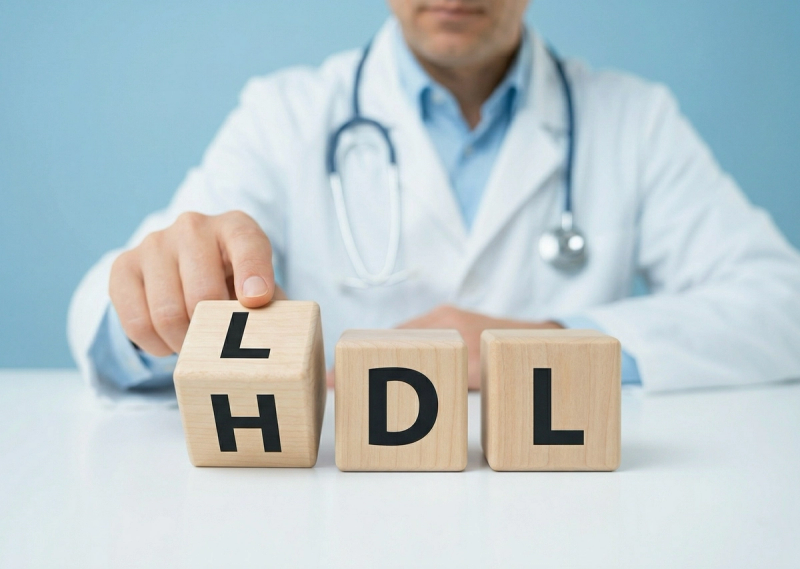
Obicetrapib also substantially improved HDL (“good”) cholesterol and apolipoprotein B (ApoB), a protein found on cholesterol particles that can contribute to plaque buildup.
The authors noted that these oral combinations may be a useful next step for some patients before moving to injectable cholesterol-lowering treatments.
Safety Results Were Generally Reassuring
None of the oral therapies significantly increased the risk of serious side effects, muscle pain, headache or elevated liver enzymes. However, more participants stopped treatment while taking bempedoic acid 180 milligrams or colesevelam 3.75 grams.
Ezetimibe on its own remained a well-tolerated option.
Important Limitations to Keep in Mind
The certainty of the evidence was low to very low for many of the efficacy results, largely because of differences between the included trials and imprecise estimates.
The analysis also focused on cholesterol levels rather than heart attacks, strokes or deaths. The authors cautioned that long-term cardiovascular outcome trials are still needed to confirm whether these LDL reductions lead to fewer heart events. Bempedoic acid has been shown to reduce cardiovascular events in statin-intolerant patients in a separate large outcomes trial, but obicetrapib is still awaiting results from its outcome studies.