

Health Resources Hub / Liver & Pancreas Health / Primary Biliary Cholangitis
How One Family Learned to Navigate Life With a Rare Liver Disease
Early answers, supportive doctors and advocacy groups helped the Rhoades family navigate biliary atresia.
Advertisement
Advertisement
By
Lana Pine| Published on March 2, 2026
4 min read
When a child is diagnosed with a rare disease, parents often find themselves stepping into a role they never expected. For Ashley and Taylor Rhoades, that shift happened almost overnight when their son John was diagnosed with biliary atresia, a rare liver disease that affects infants and can lead to life-threatening complications if not treated quickly. What began as a routine pediatric visit quickly turned into a whirlwind of tests, hospital stays and urgent decisions that forced them to move from simply being parents to becoming full-time caregivers and medical advocates for their child.
John’s diagnosis came after his parents noticed subtle changes, including yellowing of his skin and eyes and concerns about his growth. At first, the symptoms did not seem alarming, but their pediatrician acted quickly when the signs did not improve. Within hours of testing, the family was told to go to a children’s hospital, where a team of specialists was already preparing to evaluate him. In a matter of days, they were faced with complex medical terminology, difficult decisions, and the reality that their son would need surgery to give him the best chance at survival.
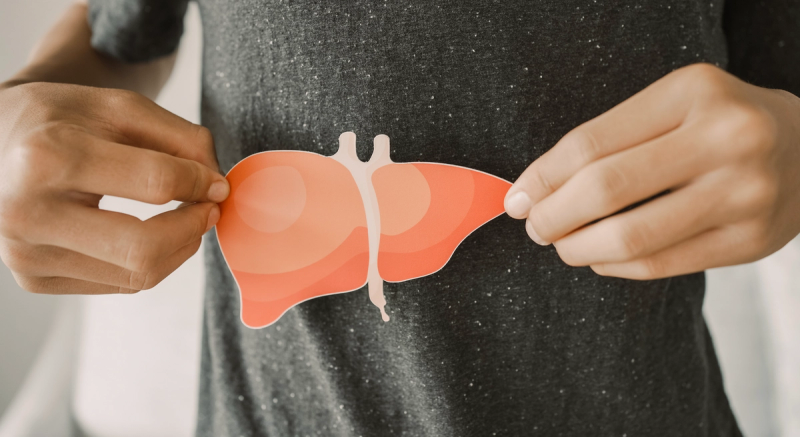
Biliary atresia is a rare condition in which the bile ducts become blocked or damaged, preventing bile from leaving the liver. Without treatment, the disease can lead to severe liver damage. One of the first procedures often performed is the Kasai operation, which can help restore bile flow and delay the need for a liver transplant. Because the surgery is most effective when done early, families are often asked to make decisions very quickly, sometimes before they fully understand the diagnosis.
For the Rhoades family, the experience highlighted how suddenly the role of parent can change. Instead of focusing only on everyday care, they had to learn medical language, track medications, ask detailed questions, and weigh risks and benefits of treatments. They also had to balance the needs of their other children while making sure John received the specialized care he required. The emotional weight of making medical decisions for a child can feel overwhelming, especially when there is little time to process the information.
Looking back, they say one of the most important parts of their journey was having doctors who listened and took their concerns seriously. Quick responses, clear explanations and being treated as part of the care team helped them feel more confident during a time that otherwise felt uncertain. They also learned that it is OK for parents to ask for explanations in plain language and to request time to understand what is happening, even when situations feel urgent.
Support from other families facing the same diagnosis also became a crucial source of strength. Rare diseases can make parents feel isolated at first, but connecting with others who have been through similar experiences helps them feel less alone. Advocacy groups and organizations, including the Global Liver Institute, have also played a role in raising awareness about rare liver diseases and helping families find reliable information and community support.
Today, the Rhoades family continues to share their story to help other parents who may suddenly find themselves in the same situation. They emphasize that every rare disease journey is different, and every family brings its own fears, questions and challenges. What matters most, they say, is finding the right support, asking questions without hesitation and remembering that even when a diagnosis is rare, no family has to face it alone.