

Health Resources Hub / Liver & Pancreas Health / Primary Biliary Cholangitis
Living With Biliary Atresia Without a Transplant
Maryanne Peng shares what it was like growing up with biliary atresia and navigating life without a liver transplant.
Advertisement
Advertisement
By
Lana Pine| Published on March 1, 2026
5 min read
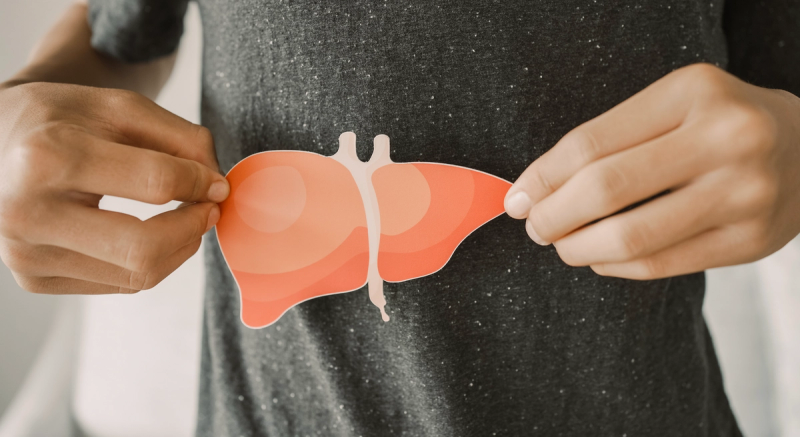
A diagnosis of biliary atresia (BA), a rare liver disease that primarily affects infants, can alter the course of a life before it has barely begun. For many families, the early months are marked by urgent medical decisions, complex procedures and the uncertainty that comes with managing a rare condition. But as children grow, so do their stories: evolving from survival to resilience, identity and advocacy.
In this Q&A, Maryanne Peng reflects on being diagnosed with biliary atresia as a baby and what it has meant to grow up with a rare liver disease. Now a patient advocate working with the Global Liver Institute, she uses her lived experience to support others in the liver disease community and to help elevate patient voices in policy and education spaces. She shares how her journey has shaped her understanding of health, independence and purpose, offering insight for patients and families navigating similar paths. This conversation is part of The Educated Patient’s Rare Disease Day coverage, amplifying patient voices and raising awareness about the realities of living with rare disease.
Can you share your journey with BA and how your family first realized something wasn’t right?
Maryanne Peng: I was diagnosed at 6 weeks old, so most of what I know comes from my mom. She said I didn’t have many obvious symptoms, but I wasn’t eating well, and something just didn’t feel right to her. That instinct led to further evaluation and my diagnosis.
Because I was so young, I don’t remember that time. But I do know that being diagnosed early made a big difference in my outcome.
How has your journey with BA been growing up?
MP: It’s definitely been a roller coaster.
My parents are immigrants, and I’m first-generation in the U.S., so it was difficult for them to fully understand what was happening medically. They didn’t always have the language or resources to explain my condition to me. As a result, I grew up feeling isolated. I didn’t really understand what was wrong with me, and I couldn’t explain it to teachers or friends.
Physically, I have not needed a liver transplant. Many babies with BA are transplanted before their first birthday. In that sense, I’ve been very fortunate.
But even though I felt “normal” at times, I would have periods where I became very sick and needed hospitalization. When most kids get sick, they miss a day or two of school. When I got sick, I was out for one or two weeks at a time, and that happened frequently. It really impacted my social and emotional development.
How has your background as a gut health and mental wellness coach influenced how you care for yourself?
MP: Growing up on multiple medications and frequent antibiotics took a toll on my gut health. Over time, I began learning more about the connection between gut health and mental health.
I’ve worked closely with my doctors to safely incorporate probiotics, and I’ve personally found that supporting my gut has helped improve my overall well-being, including my mental health. My Model for End-Stage Liver Disease (MELD) score is currently the lowest it has ever been.
It’s important to say this isn’t a cure. It’s about supporting the body in ways that complement medical care.
What role does mental health play in navigating a rare disease diagnosis?
MP: Mental health plays a huge role. Medical trauma is real. Every surgery, every hospitalization — your body and mind carry that.
As a child, no one asked me how I was feeling emotionally. There were no conversations about therapy. I only began therapy recently as an adult, and I now realize how much unaddressed trauma I carried.
In my 20s, I struggled with drug addiction. I believe a large part of that was related to not addressing my mental health earlier. Thankfully, awareness has improved. Today, more families and clinicians recognize that children with chronic illness need emotional support, not just physical care.
What do you most want clinicians and families to understand about BA and early awareness?
MP: With BA, early diagnosis is critical. The earlier the Kasai procedure is performed, the better the chances of preserving the native liver.
But I also want to share something from the perspective of an adult patient. Living without a transplant comes with constant uncertainty. I don’t know when my liver might fail. I live with the anxiety of wondering whether I’ll need a transplant later in life.
As a woman, there are additional challenges. Pregnancy with BA can be complicated, and there isn’t enough research or guidance for women with rare liver disease. I wish there had been more education and awareness about how BA affects women differently.
Clinicians need to consider not just survival but long-term quality of life, including mental health, fertility and the unique needs of female patients.
This interview was edited for clarity.