

Health Resources Hub / Mental Health / Bipolar Disorder
On World Bipolar Day: Shedding Light on the Most Misunderstood Symptoms of BD-1
Mixed episodes in bipolar 1 disorder combine symptoms of mania and depression, making them difficult to recognize and treat.
Advertisement
Advertisement
By
Lana Pine| Published on March 30, 2026
Fact checked by:
Afton Woodward10 min read
Each year on World Bipolar Day, patients, families and health care professionals come together to raise awareness and deepen understanding of bipolar disorder, a condition that is often misunderstood, even among those living with it. While many people think of bipolar 1 disorder (BD-1) as a cycle between emotional “highs” and “lows,” the reality is often far more complex.
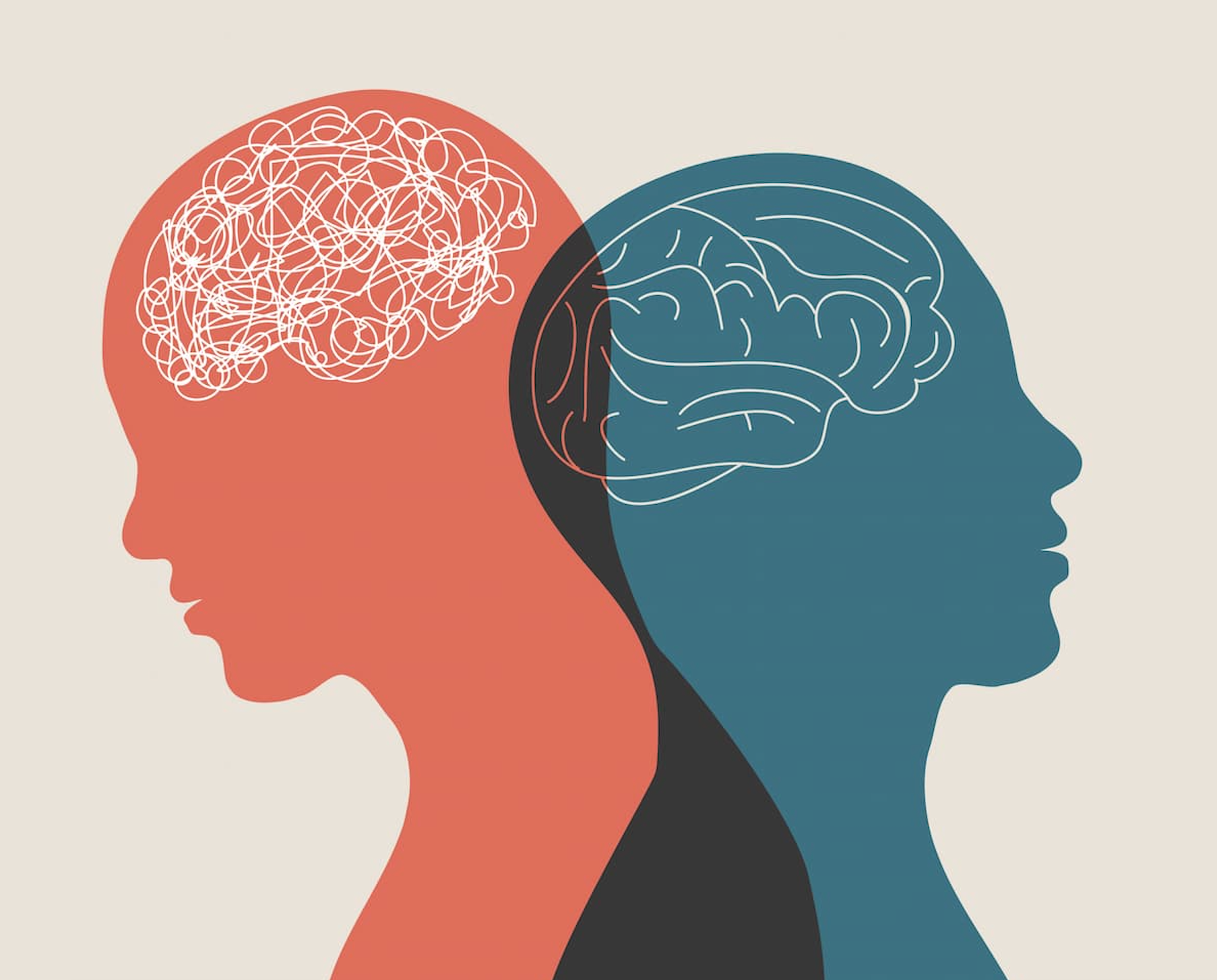
One of the most overlooked aspects of BD-1 is the experience of mixed episodes, where symptoms of depression and mania occur at the same time. These episodes can be especially difficult to recognize and treat, leaving patients feeling both emotionally low and mentally overstimulated.
In an interview with The Educated Patient, Roger Rivera, DNP, PMHNP, a board-certified psychiatric-mental health nurse practitioner, explains what mixed episodes really look like, why they are often missed, and how better awareness can lead to more accurate diagnoses and improved care.
How are mixed episodes different from the manic or depressive episodes people usually hear about?
Roger Rivera, DNP: When people think about BD-1, they are likely to picture two extremes: depression on one side and mania on the other. In reality, the brain doesn’t always work that neatly. In many cases, those experiences can overlap.
A mixed episode occurs when features of both mood states show up at the same time. Someone may feel deeply depressed while also restless, agitated or mentally “revved up.” They might have racing thoughts, irritability or severe insomnia and simultaneously struggle with persistent feelings of sadness, loss of interest or hopelessness.
Combining the emotional pain of depression with the activation seen in mania can feel extremely overwhelming for patients. For clinicians, these presentations can be challenging because the symptoms overlap, requiring careful assessment, a thorough history and thoughtful treatment planning.
Mixed features within BD-1 are relatively common, with research suggesting approximately one-third of people living with the condition experience mixed features during mood episodes. Despite that prevalence, what is a reality for many remains under-recognized in clinical practice because it doesn’t align with stereotypical illustrations of how mania and depression operate.
What can a mixed episode actually look like in everyday life, and why can it be hard for patients or families to recognize what’s happening?
RR: Sometimes people describe a mixed episode as having the brakes and the accelerator pressed at the same time, as their mind and body feel activated, but emotionally they feel stuck in despair.
A person may feel exhausted and emotionally low, yet unable to sleep. Their mind may be racing even though their mood feels heavy. Others might notice sudden irritability, emotional volatility or bursts of energy that don’t seem to match how distressed they feel internally.
For families and support systems, patterns like this can be difficult to recognize. It doesn’t look like classic mania, nor does it look like classic depression. Instead, it can show up as agitation, anxiety, irritability or severe insomnia, which are symptoms that overlap with many other conditions. Without understanding or awareness of mixed features, it’s very easy for these episodes to be misunderstood or missed altogether.
In a clinical setting, mixed episodes can be difficult to observe because patients seek care for depressive symptoms more often than manic ones. Depression tends to be more distressing and disruptive to a person’s daily functioning, so they may focus on those symptoms and underreport signs of mania or hypomania. Because BD-1 diagnosis relies heavily on self-reporting a thorough medical history, this can make mixed presentations harder to detect.
Mixed states can also vary significantly from one individual to another. Even within the same person’s experiences, symptoms may shift over time or overlap with what appear to be “pure” manic or depressive episodes. In some cases, mixed features may resemble severe depression with agitation, while in others they may appear closer to mania with underlying emotional distress. That variability is one of the reasons these episodes can be complicated to recognize.
How can missing the signs of a mixed episode affect treatment, and why is getting the right diagnosis so important for people living with BD-1?
RR: Accurate diagnosis matters because treatment decisions in bipolar disorder are highly dependent on recognizing the type of mood state someone is experiencing.
When mixed symptoms aren’t recognized, or even when mania and depression aren’t fully identified as standalone symptoms, a person may be treated as if they’re experiencing straightforward depression. But BD-1 doesn’t always behave that way. In some cases, treatments that target depression alone can further stimulate the nervous system when what the brain really needs is stabilization.
When clinicians identify mixed features early, we can recommend treatments that calm mood instability, regulate sleep, and address both the depressive and activating components of the illness.
For example, one treatment option I consider for adults living with BD-1 who are experiencing manic or mixed episodes is Lybalvi (olanzapine and samidorphan). Treatment decisions ultimately depend on the individual patient, but having medications that address both mood stabilization and symptom management is an important part of care. For that reason, I look closely at available research and approved indications during treatment planning.
Ultimately, the goal is not just symptom control but long-term stability and the person’s own perception of their quality of life. With an accurate diagnosis and comprehensive treatment plan, many people are able to regain balance in their mood, which may in turn allow them to refocus on relationships, work and daily functioning.
Many patients say it’s hard to explain their symptoms to a doctor. What are some ways people can start a more productive conversation with their health care provider if they think they may be experiencing mixed symptoms?
RR: I will encourage someone in my office to describe what their day-to-day experience feels like, rather than try to label the symptom. Instead of their worrying about whether something is “mania” or “depression,” it can be helpful to identify difficulty sleeping, racing thoughts, sudden irritability, feeling emotionally low but mentally restless or feeling exhausted but unable to slow the mind down.
Tracking patterns can also make a big difference. Observations about sleep, energy, mood changes and stress levels over time can give clinicians valuable clues about what the brain’s mood regulation system is doing. BD-1 often reveals itself through patterns rather than a single symptom.
It can also be helpful to involve a trusted family member or partner. Sometimes the people close to us are first to notice shifts in mood, sleep or behavior.
Most importantly, people should remember that mental health symptoms don’t always fit neatly into categories. If something feels confusing or contradictory, that’s often exactly the information clinicians need to offer an accurate diagnosis.
As we recognize World Bipolar Day, what do you most want patients and families to understand about bipolar disorder and the importance of awareness, especially when it comes to symptoms that aren’t always easy to see?
RR: First, it’s important for everyone to understand that bipolar disorder is a biological condition involving the brain’s regulation of mood, energy and sleep, not a character flaw or lack of willpower.
A persistent misconception about BD-1 is that it is simply about having “highs and lows.” The reality is more complicated than that. Many people experience overlapping symptoms, with heightened energy, agitation and racing thoughts existing alongside sadness or emotional pain. These mixed states are more common than people realize and can be some of the most difficult experiences for patients.
Awareness is important because recognizing these patterns early can significantly improve outcomes. A correct diagnosis, thoughtful treatment planning and a connected support system all contribute to managing BD-1. When patients, families and clinicians understand what is happening, we can prioritize targeted treatments to stabilize mood and support long-term recovery.
World Bipolar Day is an opportunity to continue normalizing these conversations so that people feel more comfortable seeking help when symptoms begin to appear and empowered along their treatment journeys.