

Health Resources Hub / Lung Health / Lung Cancer
She Spent Her Career Helping Patients With Cancer, Then Became One Herself
On World Lung Cancer Day, patient advocate Shelly Glenn shares how an accidental diagnosis during an unrelated ER visit reshaped her understanding of lung cancer after nearly two decades working in oncology.
Advertisement
Advertisement
By
Lana Pine| Published on August 1, 2026
3 min read
Shelly Glenn spent nearly 20 years working in oncology, building physician networks, supporting practice acquisitions and partnering with nonprofits including Blood Cancer United, the American Cancer Society and the Florida Cancer Specialist Foundation. Nothing in that career, she said, prepared her for becoming a cancer patient herself. On World Lung Cancer Day, Glenn is sharing her story to help raise awareness about a disease she says is too often misunderstood.
Glenn's diagnosis came by accident. During an ER visit in late 2023 for an unrelated issue, a local oncologist noted a small spot on her lung that seemed minor but worth monitoring. A follow-up scan in February 2024 showed the spot had grown by 20%. Glenn had no symptoms and no reason to suspect anything was wrong.
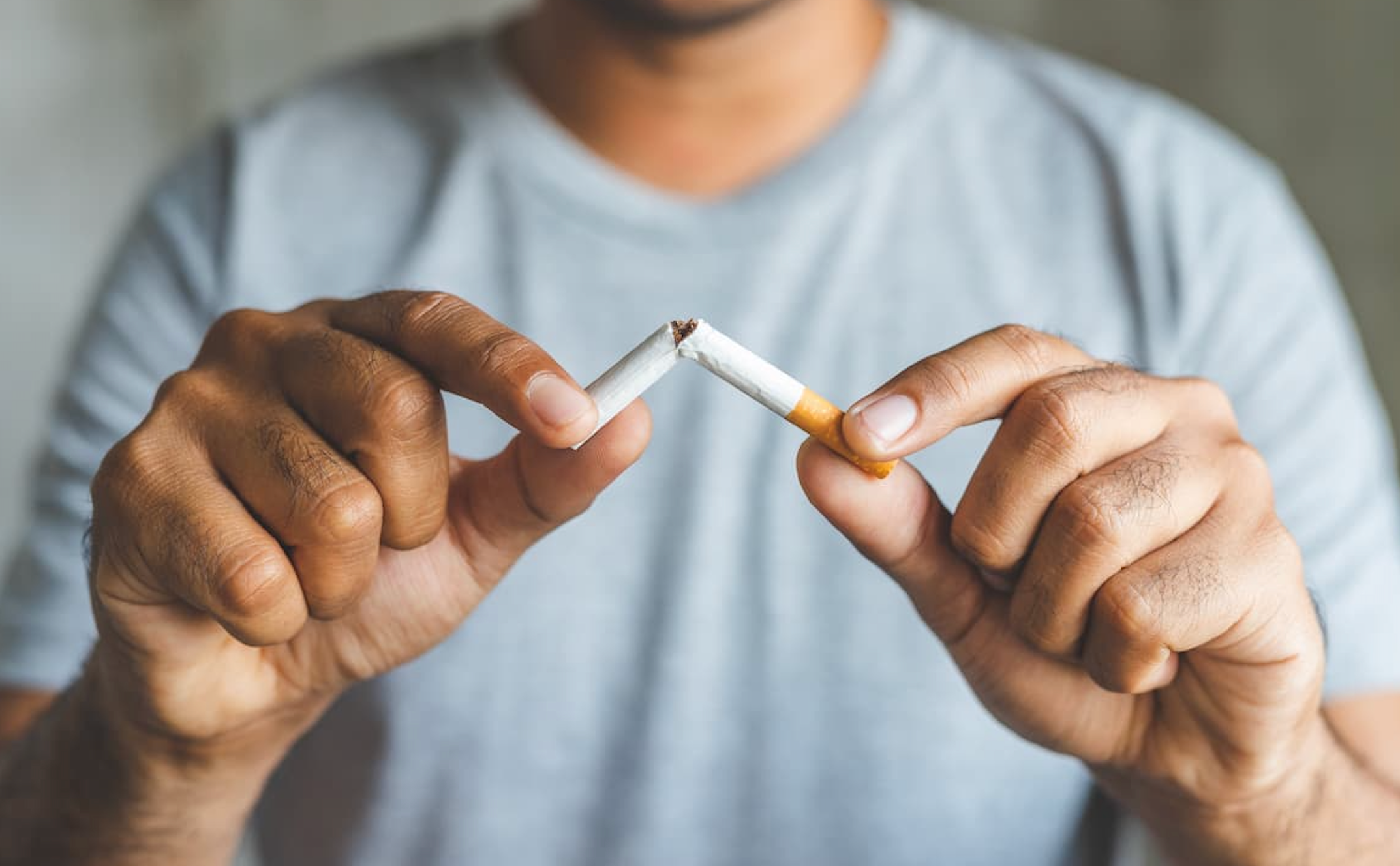
That experience, she said, illustrates why persistent stereotypes about lung cancer are so dangerous. Many people still associate the disease primarily with smokers or certain lifestyles, a misconception Glenn said discourages people from getting screened or paying attention to subtle changes. Lung cancer can affect anyone with lungs, she said, including someone who spent her career working in oncology and still did not anticipate her own diagnosis.
After surgery left her cancer-free, Glenn consulted medical oncologists across the country, many of them former colleagues from her years at Florida Cancer Specialists and American Oncology Network. They recommended Signatera, a personalized blood test that uses a patient's own tumor tissue to create a molecular profile and detect potential recurrence, often months earlier than imaging alone. Glenn now uses the test every three months, with blood draws done at home to accommodate her travel schedule. She described the monitoring as a source of peace of mind and real-time awareness rather than fear, giving her the ability to discuss next steps quickly with her oncologist if a test ever comes back positive.
Glenn cautioned against the assumption that survivorship ends once treatment is complete. Staying vigilant, she said, means consistent follow-ups, ongoing education and continued self-advocacy, not a return to life exactly as it was before diagnosis.
Reflecting on her own experience navigating the health care system as a patient rather than an oncology professional, Glenn emphasized the importance of self-advocacy and support. Her husband accompanied her to appointments, asked questions and helped her stay grounded, while former colleagues who had faced their own cancer journeys offered additional support. Even with a relatively straightforward treatment path that did not require chemotherapy or radiation, she said advocacy mattered at every step.
For World Lung Cancer Day, Glenn's message centers on speaking up, asking questions and pushing for clarity, both during diagnosis and throughout survivorship. She pointed patients toward the American Cancer Society for information on lung cancer screening and survivorship, and to Natera for more on personalized cancer monitoring.