

Health Resources Hub / Blood Health / Anemia
Signs of Iron Deficiency in Babies That Parents Often Miss
A neonatologist explains the subtle, easy-to-miss signs of iron deficiency in babies and toddlers, from poor appetite to restless sleep.
Advertisement
Advertisement
By
Lana Pine| Published on September 21, 2026
Fact checked by:
Afton Woodward3 min read
Iron deficiency is the most common nutritional deficiency in the world, affecting roughly half of babies in developing countries and 10% to 25% of babies in developed countries, according to Vitaliya Boyar, M.D., chief of neonatology at Hackensack Meridian K. Hovnanian Children’s Hospital at Jersey Shore University Medical Center. Yet the early signs rarely look like a medical problem at all.
In infants, Boyar said the first clues are often behavioral rather than physical: a baby who is more tired, fussier, less interactive, or less likely to smile and look around. Paleness, the symptom most people associate with low iron, “often comes late,” Boyar said, and parents frequently don’t notice it until it’s more pronounced. As babies move into toddlerhood, low energy and a drop-off in typical “go, go, go” activity can signal the same issue.
Appetite and Sleep as Overlooked Clues
Poor appetite is another frequent but nonspecific finding tied to iron deficiency and later anemia, Boyar said, though it can have many other causes as well. In older children, paleness may become more visible in the palms, nail beds and the conjunctiva of the eyes.
Sleep is a particularly underappreciated marker. Iron deficiency is linked to restless sleep and restless legs syndrome, which can leave children waking up moody, tired or wanting to go straight back to sleep. Parents picking children up from school may notice they seem exhausted and want to lie down rather than play, Boyar said, even though few parents connect fatigue at pickup to something happening overnight.
Why Delayed Cord Clamping Matters
The conversation also turned to how iron stores are established at birth. Delayed cord clamping, waiting about 30 seconds to a full minute before clamping the umbilical cord, is now recommended for near-term and full-term babies, allowing additional blood to flow from the placenta and increasing the newborn’s blood volume.
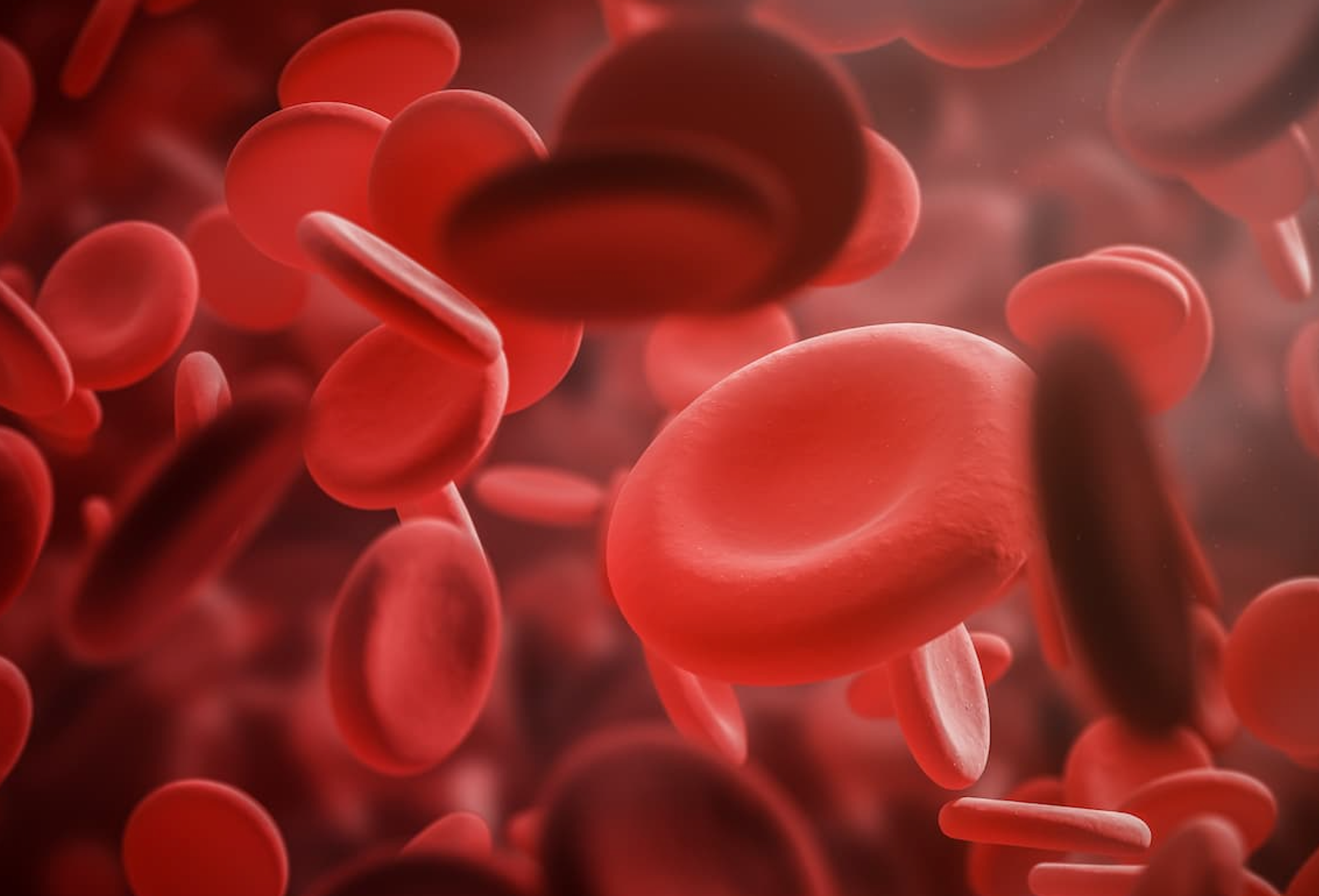
That extra blood volume means more red blood cells, which carry hemoglobin and oxygen to the body’s organs. In preterm babies, who often need neonatal intensive care, this can reduce the need for transfusions and lower the risk of necrotizing enterocolitis, a serious intestinal condition. Boyar said the practice is also linked to improved neurodevelopmental outcomes overall.
For full-term babies, the stakes center on the brain. Iron supports myelination, the fatty coating that allows brain cells to communicate, as well as synaptogenesis, the formation of connections between neurons. Boyar said early, adequate iron levels have “a long-lasting effect” on behavior, cognition and neurodevelopment later in childhood, which is why delayed cord clamping is now recommended across preterm and full-term deliveries alike.