

Health Resources Hub / Mental Health / Major Depressive Disorder
Sunday Scaries Getting Worse? A Counselor Explains the End-of-Year Spike
Deadlines, financial pressure, shorter days and holiday obligations can all make the Sunday scaries worse in December, according to Bisma Anwar, LPC, LMHC.
Advertisement
Advertisement
By
Lana Pine| Published on November 22, 2026
Fact checked by:
Sydnee Thompson4 min read
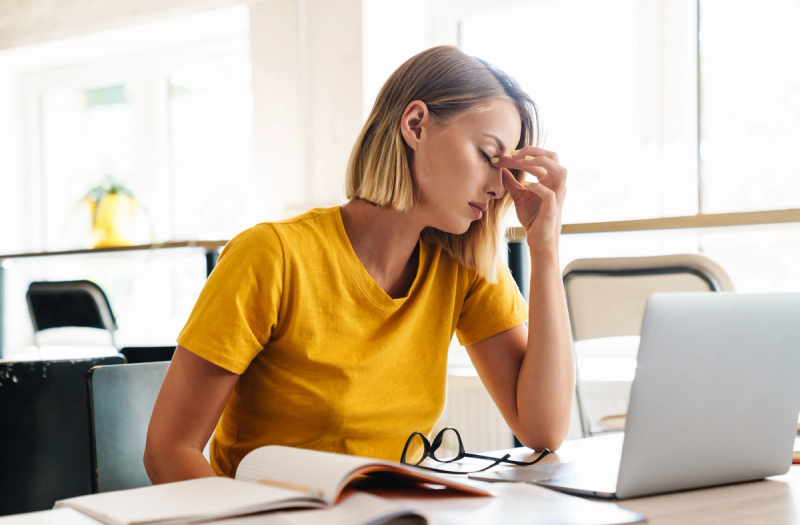
For many people, the end of the weekend brings a familiar feeling of dread about the week ahead. Often called the “Sunday scaries,” this anticipatory anxiety can feel even heavier at the end of the year, when work deadlines, holiday plans and shorter days pile up.
Bisma Anwar, LPC, LMHC, a licensed mental health counselor at Talkspace, spoke with The Educated Patient about what causes Sunday night anxiety, why it can intensify in December and how to start 2027 with a healthier relationship to work stress.
What happens in the body during the Sunday scaries, and why do they hit at the end of the weekend?
Bisma Anwar, LPC, LMHC: Anticipatory anxiety can trigger stress hormones and cause physical symptoms, such as knotted stomach, tight chest, faster heart rate and restlessness. On Sunday evenings, there are usually fewer distractions, and that potentially leads to more time to ruminate about the start of the week. Expecting Monday to be hectic further amplifies our anxiety.
Do the Sunday scaries get worse at the end of the year?
BA: Sunday scaries can get worse at the end of the year due to various deadlines and financial pressures. Since the winter months also have fewer daylight hours, it can be easier to feel a sense of gloominess or overall low mood. There can be many social and family obligations as well around the holidays, which add pressure during that time. The combination of all these factors can have a negative impact on a person.
How can you tell if Sunday night anxiety needs professional support?
BA: When the Sunday night nerves make it hard to function during the week, such as difficulty getting out of bed, commuting to work or focusing on daily tasks, it might be a sign of a bigger issue that needs to be addressed. When anxiety starts to impact their daily functioning, it means that something needs to be changed and should be taken more seriously. If someone is experiencing these signs, they should consider talking to a therapist or health care provider. They can help determine whether the anxiety is situational or something that would benefit from treatment.
How can you ease the Sunday scaries, and what habits make them worse?
BA: Plan to do something you enjoy on Sunday evenings so you don’t get caught up in anxiety about Monday. Go for a walk outside or another activity that allows you to enjoy being outdoors. Meal prep and lay out your outfit for Monday morning so you can wake up knowing those details are taken care of. Go to bed on time and do some mindfulness or meditation practice to wind down beforehand. It helps to avoid habits that fuel anxiety, such as checking work emails, overscheduling yourself or staying up late.
How can you start the new year with less work stress?
BA: Start 2027 with the goal to have a healthier relationship to work stress. Start by focusing on small, sustainable changes rather than making any major ones. Identify what triggers your anxiety and build habits that address them. It can be a Friday evening wrap-up ritual, clear work email boundaries and planning for restful breaks over the weekend. Do a monthly check-in to make sure you are staying on track.