

Health Resources Hub / Lung Health / COPD
The Educated Patient Podcast: Spring Cleaning for Your Health
Nikolaus Pankow, M.D., breaks down how decluttering your home can reduce stress, improve sleep and support overall health.
Advertisement
Advertisement
By
Lana Pine,Mike DeMarco| Published on March 30, 2026
3 min read
In this episode of The Educated Patient Podcast, Mike DeMarco sits down with Nikolaus Pankow, M.D., a family and lifestyle medicine physician at Baptist Health South Florida, to explore how spring cleaning and decluttering can impact physical, mental and emotional health.
Pankow explains that as a primary care physician, much of what he treats (conditions like diabetes, heart disease, asthma and COPD) are closely tied to lifestyle. Because of this, he emphasizes prevention and management strategies that go beyond medication, including nutrition, exercise, sleep and healthy environments. Decluttering, he says, is an often-overlooked but powerful part of that equation.
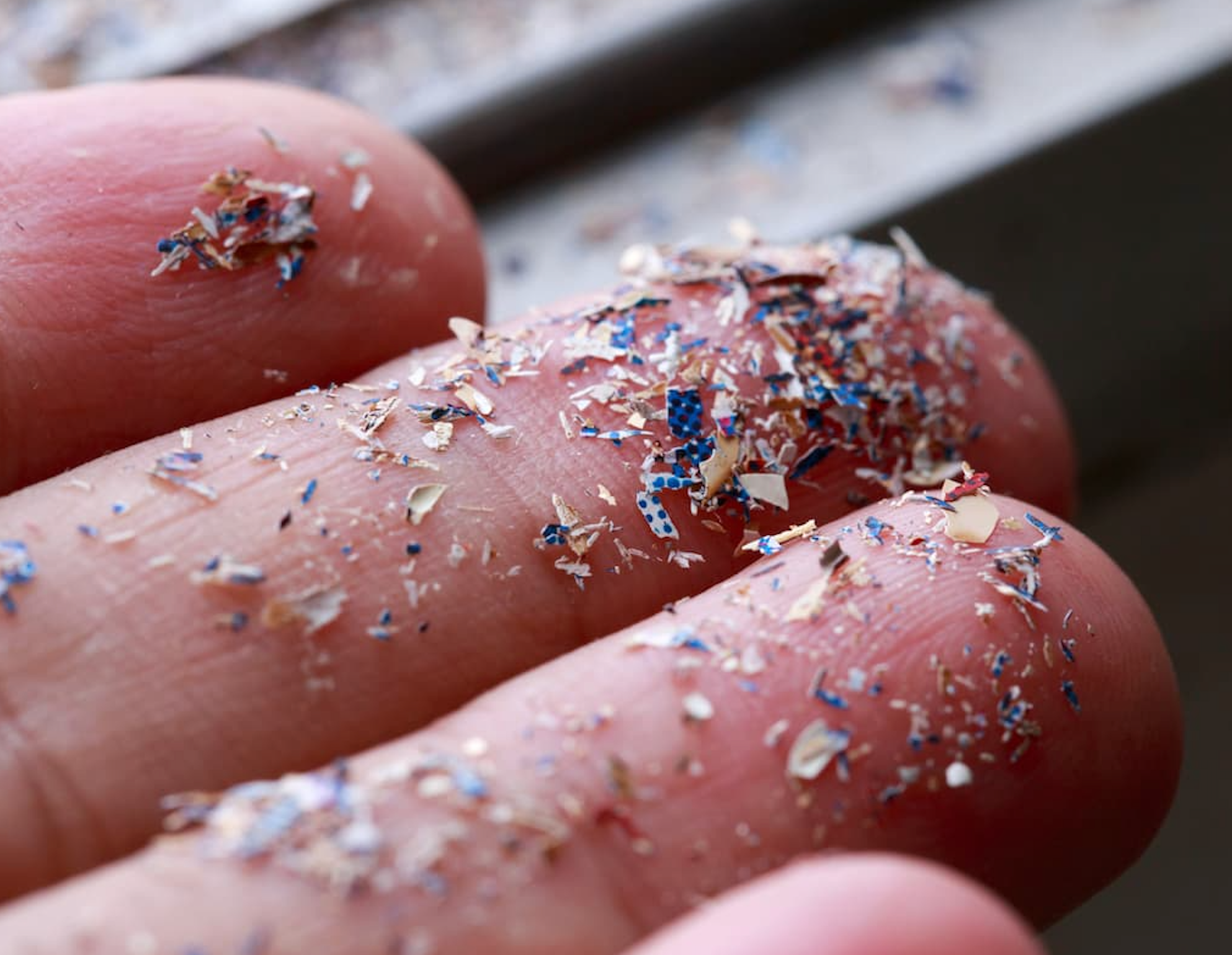
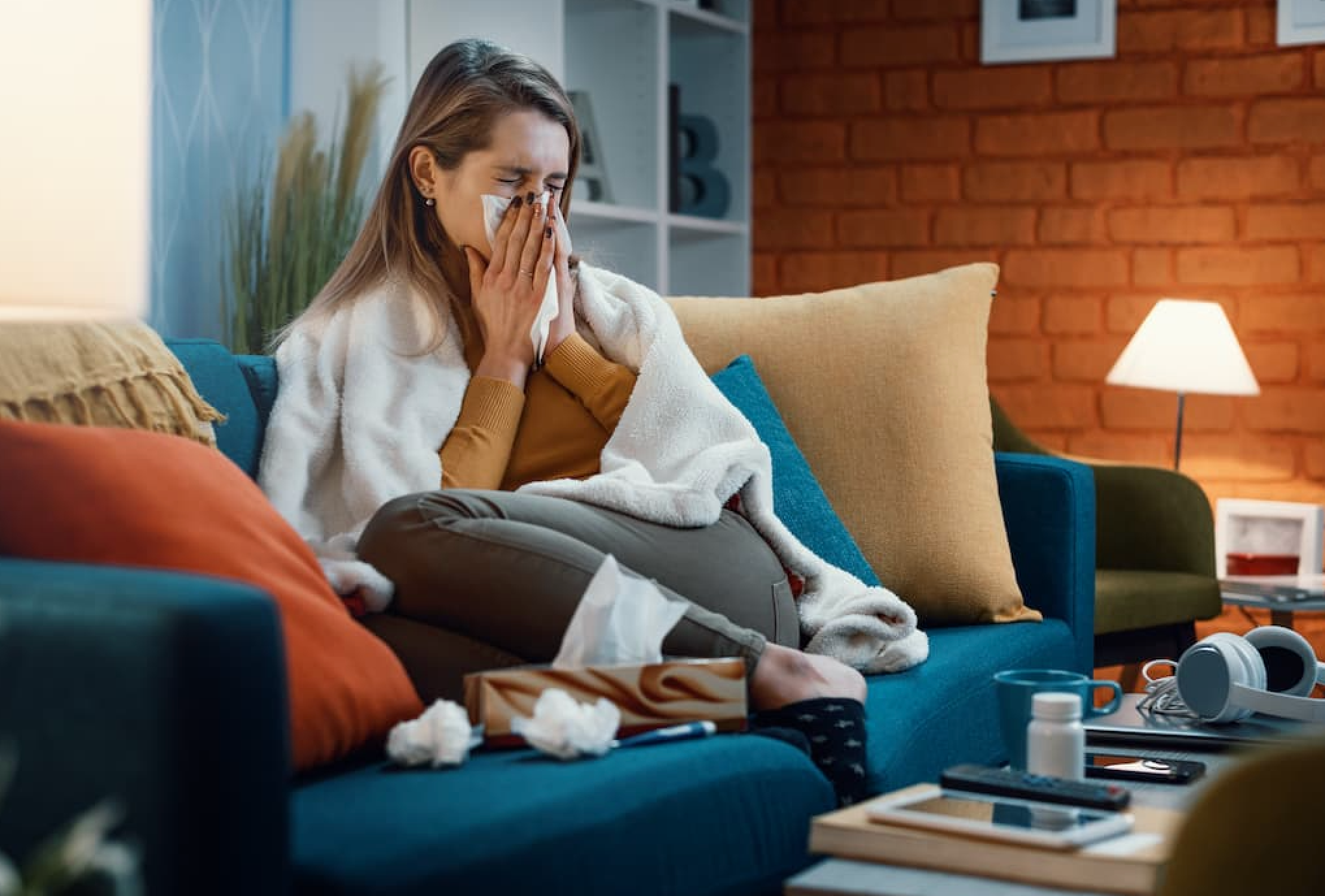
Cluttered living spaces can significantly affect mental health, increasing stress and even interfering with sleep. Research has shown that people who perceive their homes as cluttered tend to have higher stress levels and poorer sleep quality. Mixed with this is the physical impact: dust, allergens and irritants like dust mites or cockroach particles can worsen allergies and asthma — and may even increase the risk of developing them over time.
Rather than relying solely on large, once-a-year cleaning efforts, Pankow recommends building small, consistent habits. Simple actions, such as putting items back where they belong or setting a five-minute daily cleanup routine, can prevent clutter from building up and make cleaning feel more manageable. He compares this to exercise: starting small, even with just five or ten minutes a day, helps build sustainable habits over time. Progress, not perfection, is key.
Importantly, these small wins can create a ripple effect. As people experience the benefits of a cleaner, more organized space, including reduced stress and better sleep, they may feel motivated to adopt other healthy habits. Pankow emphasizes that lifestyle change is ongoing and cumulative, with each positive step making the next one easier.
The conversation also touches on safety during cleaning. While disinfectants like bleach are effective, they can irritate the lungs, trigger asthma and become dangerous if mixed with other chemicals like ammonia. Alternatives such as hydrogen peroxide may be gentler while still effective. Physical safety is also important, especially when lifting heavy objects or using ladders.
Pankow encourages patients to view spring cleaning as more than a seasonal chore — it can be a starting point for long-term lifestyle improvements that support both physical and mental well-being.