

Health Resources Hub / Mental Health / ADHD
The Overlap Between ADHD, Anxiety and Depression That Too Many Patients Miss
Behavioral pediatrician Nerissa Bauer, M.D., explains why ADHD so often coexists with anxiety, depression and learning disabilities, and why getting the diagnosis right matters just as much as starting treatment quickly.
Advertisement
Advertisement
By
Lana Pine| Published on July 4, 2026
9 min read
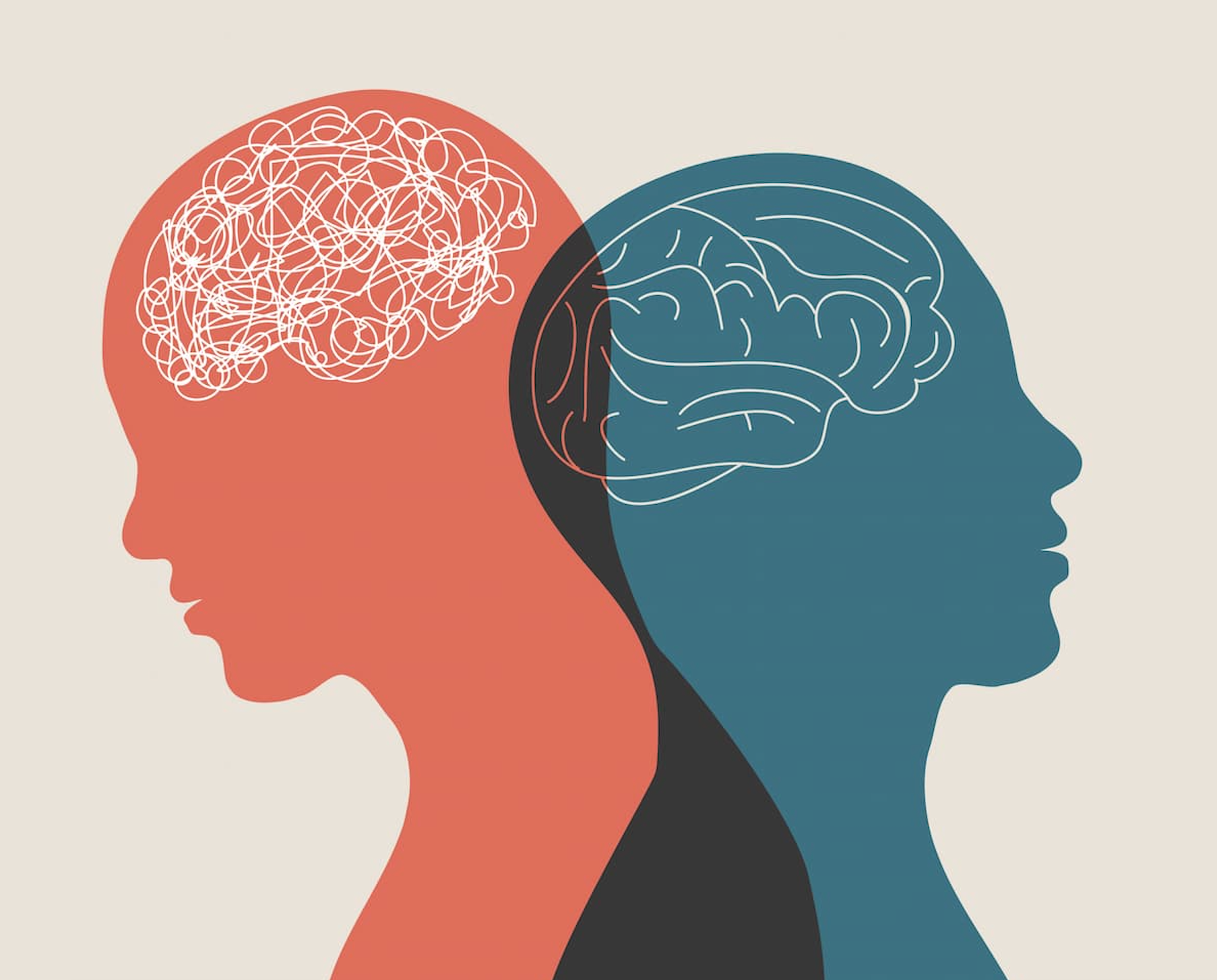
For many patients, an attention-deficit/hyperactivity disorder (ADHD) diagnosis feels like the answer they have been waiting for. But according to Nerissa Bauer, M.D., a behavioral pediatrician and advisor to Qbtech, it is often just the beginning of a more complicated story. Conditions like anxiety, depression and learning disabilities overlap with ADHD far more frequently than most people realize, and untangling which symptoms belong to which condition can be the difference between a treatment plan that works and one that quietly falls short.
Bauer is breaking down why these conditions are so deeply intertwined, why treating ADHD in isolation can sometimes do more harm than good and why objective testing tools are proving especially powerful for patients, particularly girls and women, whose symptoms have long been masked, mismeasured or missed entirely.
From what you see clinically, why do conditions like anxiety, depression or learning disabilities overlap so frequently? Is there a chicken-and-egg dynamic where one tends to set the stage for the others?
Nerissa Bauer, M.D.: These conditions overlap clinically but also because, neurobiologically speaking, brain pathways for these conditions overlap. There is a chicken-and-egg dynamic, typically, since the stress of living with undiagnosed ADHD can lead to anxiety/depressive symptoms and feeling inadequate or getting burned out. We see this with a lot of girls, women and high-achieving individuals who may be perfectionists and later go on to experience burnout. When it comes to the overlap with learning disabilities, ADHD and learning disabilities often involve challenges with executive function. There is much overlap of symptoms of all of these conditions, and it is therefore imperative to know what we are dealing with before we initiate treatment, since treatment for these conditions is distinct, with specific medications, tools and strategies.
ADHD and conditions like anxiety can present with remarkably similar symptoms (trouble focusing, restlessness, irritability, difficulty completing tasks). How do clinicians begin to untangle which symptoms are coming from which condition, and why does that distinction matter for treatment?
NB: It is critical to know what we are treating. Mental health disorders are not something we can just “know” by looking at someone. The challenges or symptoms a person has that bring them in for help are shared among different conditions, and it is therefore imperative that a skilled clinician listen, observe and utilize data, both subjective and objective, to see the whole picture. The context of symptoms is important. Asking probing questions [about not just what] is not happening outwardly but also what is happening internally can be helpful. Triangulating responses is also important, especially in pediatrics — we need input from parents and teachers to understand how symptoms impact daily functioning.
It is important that clinicians establish rapport so they can ask those questions, especially with children and teens, so we set them up to know that they can always voice what they are thinking and ask the questions. We want them to develop advocacy skills to ask for help and to know their voices are heard.
If we start treatment just to start treatment, it can backfire, such as making anxiety worse if we start a stimulant and anxiety is a bigger drive than anticipated. There can be instances when clinicians expect medications to ameliorate symptoms, but they do not quite get the symptom relief because we are not treating the root cause. It is therefore important, before initiating any treatment, that we are clear on what we are treating and help families understand what to expect and when to follow up, so we can ensure treatment is tolerated and going well.
For people who have only ever been told “It’s ADHD,” what are the risks of treating ADHD in isolation when a co-occurring condition is actually driving some of the symptoms?
NB: I have seen patients who don’t quite relieve symptoms and still experience challenges in functioning despite starting treatment. Moreover, families need to understand that medication is not a “silver bullet.” Pills don’t teach skills. While medications play a role in treatment, they won’t automatically help individuals with ADHD learn how to organize, prioritize, manage their time, learn how to cope with strong emotions and dysregulation or how to study. It is important to always approach treatment as a “care plan” and not assume treatment is only about medicine.
If we aren’t also always keeping our radars on, we can miss those co-occurring conditions that are more likely. I think as we continually think about “How is the patient and family doing?” after we start treatment and not just focus on symptom control, but quality of life, we are more apt to improve outcomes long term.
Qbtech focuses on objective ADHD assessment tools. How does that kind of testing change the picture compared to relying on questionnaires or self-reported symptoms alone, particularly when comorbidities are in play?
NB: I especially like Qbtech’s reports as they are visually understandable and patient-friendly. I have explained what I am seeing to numerous families, and right away, even the kids can “see” the data and feel validated. If we rely only on subjective rating scales, we would be doing so many girls and women a disservice.
Too many times, I see teacher rating scales as insignificant since anxiety changes the way ADHD presents on the outside, especially when it comes to perfectionist or overachieving individuals. Masking of symptoms can lead to negative screeners and thus delay diagnosis. It is not uncommon for there to be tears of relief since objective testing can pick up what is happening inside that can be missed when we only see what is on the surface and rely only on subjective rating scales. Please listen to the various stories of hope on our podcast for even more insight into how this can help bring diagnoses to light earlier and how validating it is for patients. I recommend the “ADHD Mom Docs” episodes (6, 11, 16 and 26, so far).
For someone who feels like their current ADHD treatment plan is not quite working, what questions should they be bringing to their clinician, and what does a more comprehensive evaluation actually look like?
NB: I would encourage them to share what they are still experiencing and how it impacts them day-to-day. If they are having any side effects of medication, it is important to verbalize them. If medication is worsening anxiety or appetite or not really bringing symptom relief, tell your prescriber. I often tell patients I can’t fix something I don’t know about. I want to know how they are feeling. It is important to set expectations about treatment, including two-way communication; otherwise, sometimes patients prematurely terminate treatment or feel like they are just settling, which I don’t believe they should.
You know your body and mind the best. Please don’t be afraid to share more context and voice your concerns.
If a patient continues to experience challenges or inadequate symptom control, sometimes it means going back to the big picture and ensuring we haven’t missed something else. Sometimes it can mean referrals for neuropsychological testing or revisiting symptoms, given that conditions can mimic or co-occur with each other. It is also important to consider the role of sleep, nutrition, physical activity, screen use moderation and any current or past trauma.
Objective testing can help with efficient identification of the underlying condition and with ongoing treatment monitoring.
Is there anything else you’d like our audience to know?
NB: Please know that there is no single test or blood draw to diagnose mental health conditions. It is important to collect as much data as possible at every touchpoint, coupled with [maintaining] sensitivity toward functioning and quality of life. Please keep advocating for yourself and find a prescriber and team you can trust to listen to your concerns. ADHD symptoms can wax and wane and depend on the environment, what you are doing and whether you have interest and motivation to proceed. Remember, ADHD is not an excuse but an explanation. Seek out resources and tools as you learn how to work with your brain.