

Health Resources Hub / Women's Health / Endometriosis
When Period Pain Isn't "Normal," According to a Pelvic Pain Specialist
Allyson Augusta Shrikhande, M.D., explains why endometriosis remains so difficult to diagnose, pointing to the lack of a nonsurgical diagnostic test, normalized period pain and gaps in medical education.
Advertisement
Advertisement
By
Lana Pine| Published on September 15, 2026
3 min read
Diagnosing endometriosis remains a genuine clinical challenge, according to Allyson Augusta Shrikhande, M.D., a board-certified physical medicine and rehabilitation specialist and chief medical officer at Pelvic Rehabilitation Medicine (PRM). One major obstacle: there is currently no reliable nonsurgical way to diagnose the condition, meaning surgery is often required to confirm it. Shrikhande said progress is being made on that front, but the diagnostic gap remains a significant barrier today.
She pointed to two additional, longstanding factors that compound the problem. First, generations of women have been told that severe period pain is simply something to live with, a normalization that leads many patients to endure symptoms for years before seeking help, particularly since people often don't recognize their own experience as abnormal until they compare notes with others later in life. Second, endometriosis has historically received limited attention in medical school and residency training. Augusta Shrikhande, who has practiced since 2012, said she's seen meaningful improvement in awareness among residents and medical students over the years, but said the condition still hasn't been prioritized in curricula the way it should be. Taken together, she described the lack of a nonsurgical diagnostic, the normalization of women's pain and gaps in medical education as a "triad" driving delayed diagnosis.
Recognizing When Pain Isn't Normal
Augusta Shrikhande encouraged patients to pay close attention to how period or pelvic pain affects daily functioning. If pain interferes with sleep, prevents someone from attending an exercise class, or causes them to miss school, work or social activities, she said that's a signal the pain has moved beyond what should be considered normal and warrants a conversation with a specialist.
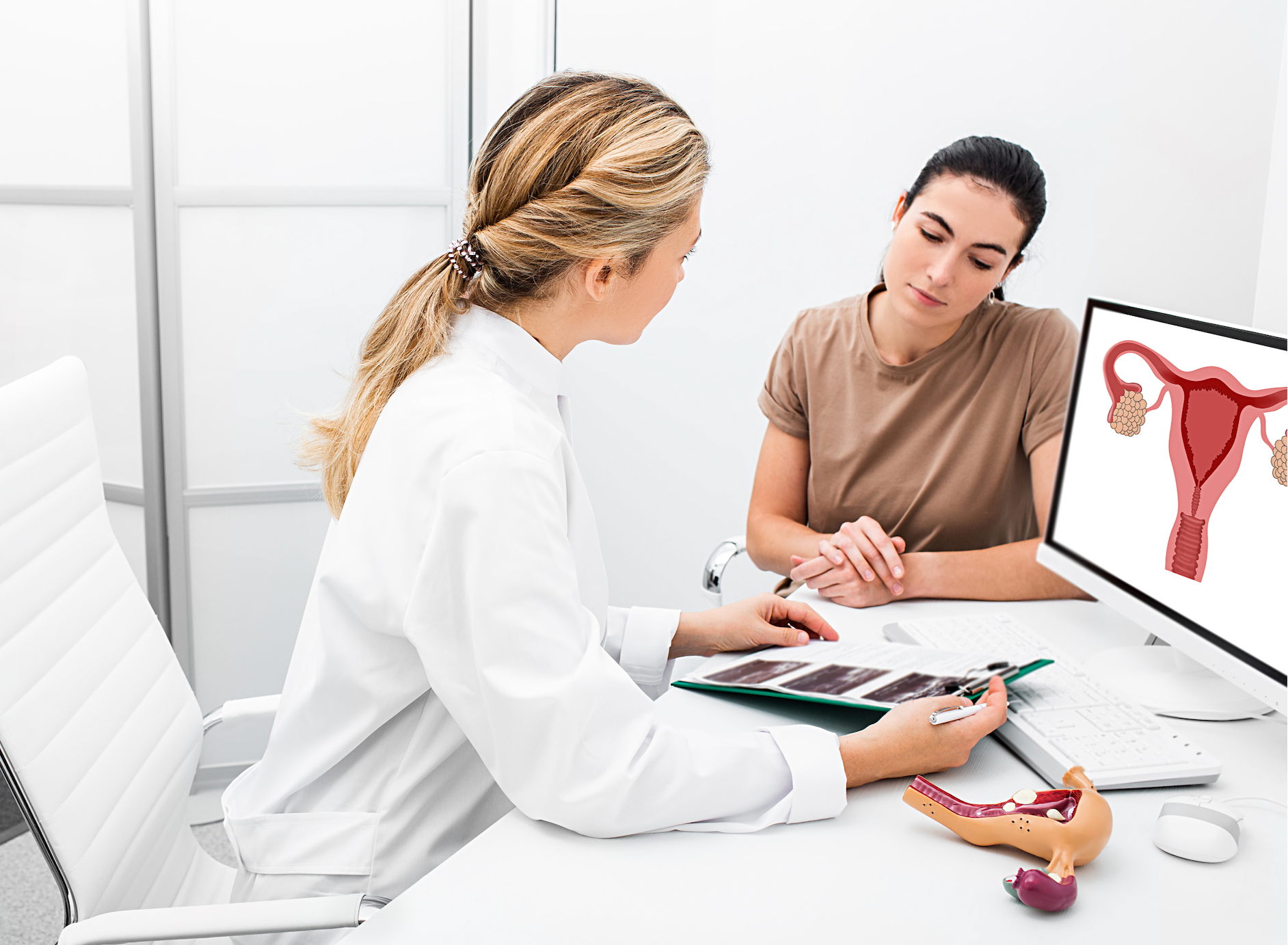
She also stressed the value of seeing someone who focuses specifically on pelvic pain and endometriosis, rather than a general provider. Augusta Shrikhande recommends patients prepare specific questions ahead of an appointment, including asking directly whether their symptoms sound consistent with endometriosis or adenomyosis, and asking the provider to explain their diagnostic reasoning.
Changing the Conversation Around Period Pain
Augusta Shrikhande said PRM's core mission is reducing how long patients suffer before receiving appropriate care, and she credited public education efforts with helping shift that timeline. She encouraged women to talk more openly about period pain with friends, mothers and other family members, arguing that reducing the stigma and silence around menstrual symptoms is essential to driving broader change. In her view, normalizing these conversations, rather than normalizing the pain itself, is what will ultimately help more patients get diagnosed sooner.