

Health Resources Hub / Eye Health / Diabetic Retinopathy
Why Vision Is an Important Part of Overall Wellness as You Age
An ophthalmologist breaks down why eye health is closely tied to cognitive, emotional and overall physical wellness in older adults, and shares practical steps for protecting vision through the aging process.
Advertisement
Advertisement
By
Azhar I. Salahuddin, M.D.| Published on August 24, 2026
Fact checked by:
Afton Woodward8 min read
Growing older brings plenty of changes, and your eyesight is one of them. You might notice that reading small text takes more effort or that driving at night doesn’t feel as comfortable as it once did. While some changes are a normal part of aging, others need proper medical attention. Today, we’ll look at why good vision matters for your overall health, and what you can do to protect your eyesight for years to come.
How Your Eyesight Connects to Your Overall Health
Good eyesight affects much more than just your ability to see clearly.
Fall Prevention
The link between vision and cognitive health is closer than most people realize. Research has connected untreated vision problems to a higher risk of cognitive decline, largely because reading, recognizing faces and other daily tasks that rely on sight also keep the brain mentally engaged. When eyesight fades, people often quietly scale back these activities, losing valuable mental stimulation and social interaction in the process. Protecting your eyesight helps protect your ability to stay curious, social and engaged, all things that support long-term brain health.
Mental and Emotional Health
Vision loss doesn’t just change what you’re able to do. It changes how you feel about doing it. Struggling to read a menu, recognize a friend across the room or drive at night can chip away at confidence, often leading people to quietly withdraw from social situations altogether. That kind of isolation has been linked to higher rates of frustration, anxiety and depression in older adults. Addressing vision changes early, rather than adapting around them indefinitely, helps preserve both independence and confidence.
Systemic Health Indicator
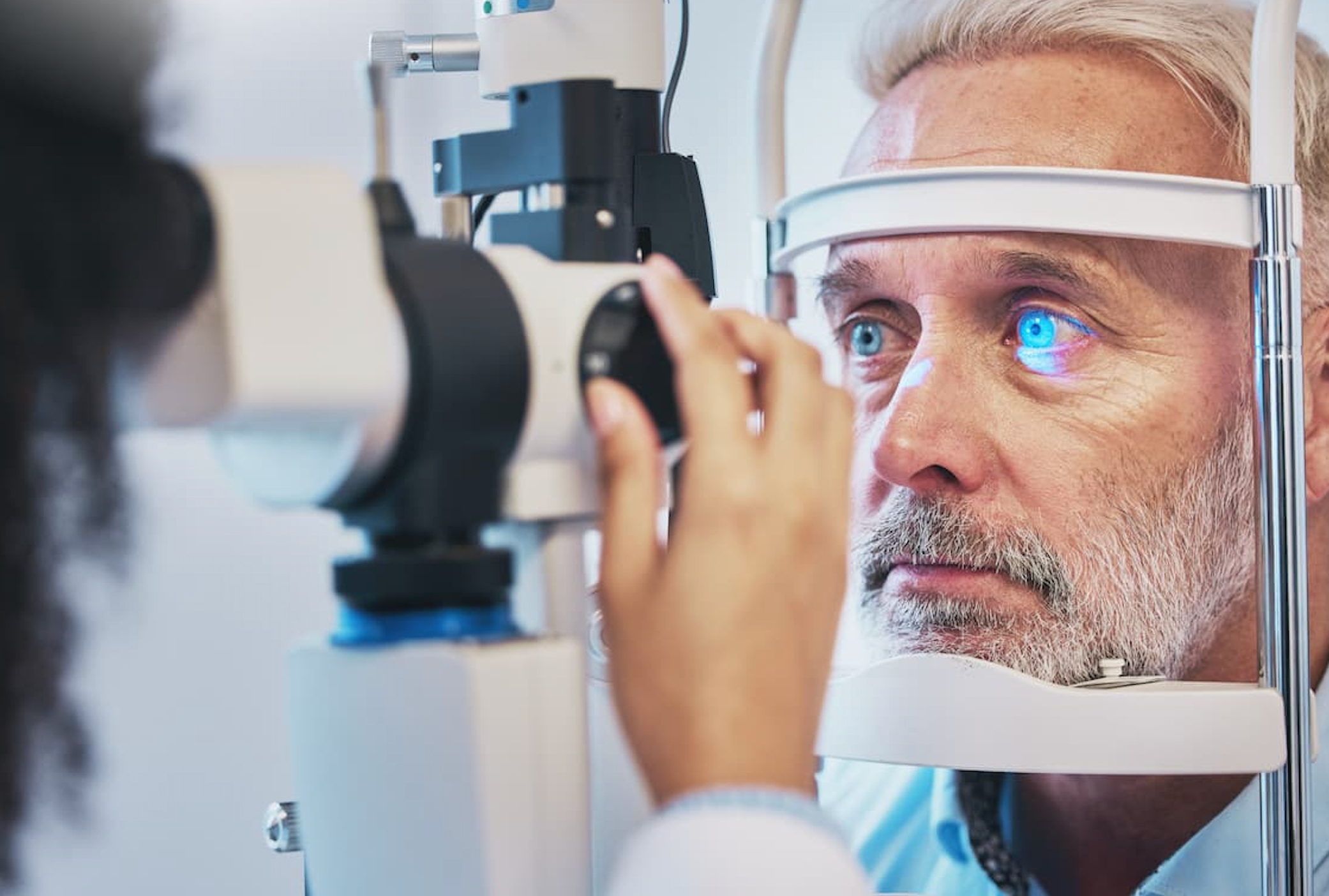
A comprehensive eye exam does far more than check your prescription. Because the retina’s blood vessels are visible without invasive testing, an eye doctor can often spot early signs of diabetes, high blood pressure or autoimmune conditions like rheumatoid arthritis and lupus before symptoms appear elsewhere in the body. This makes regular eye exams a checkpoint for your overall health, not just your eyesight. For older adults managing multiple health concerns, the eye doctor’s office is a meaningful part of the broader health care picture.
Common Vision Problems as You Age
Presbyopia
If you’ve started holding your phone farther away just to read a message, presbyopia could be the reason. This age-related condition usually begins in your 40s and makes it harder to focus on nearby objects. Reading glasses can help, but refractive lens exchange is often the best long-term solution, replacing your eye’s natural lens with an advanced intraocular lens that restores clear vision at all distances, and even prevents future cataracts.
Age-Related Macular Degeneration (AMD)
AMD affects the macula, the part of the retina responsible for sharp central vision. People with AMD may find it difficult to read, recognize faces or notice fine details. While it doesn’t usually cause complete blindness, early diagnosis can slow its progression and help preserve useful vision.
Cataract
Cataracts develop when the eye’s natural lens becomes cloudy. Colors may look faded, lights can appear too bright, and vision often becomes blurry. Cataracts usually develop gradually, which is why many people don’t notice the changes right away. Surgery is a common and highly successful treatment when vision starts affecting daily life.
Diabetic Retinopathy
People living with diabetes have a higher risk of developing diabetic retinopathy. High blood sugar can damage the tiny blood vessels inside the retina, leading to blurred vision or vision loss if left untreated. Regular eye examinations play a major role in detecting these changes before they become serious.
Dry Eye
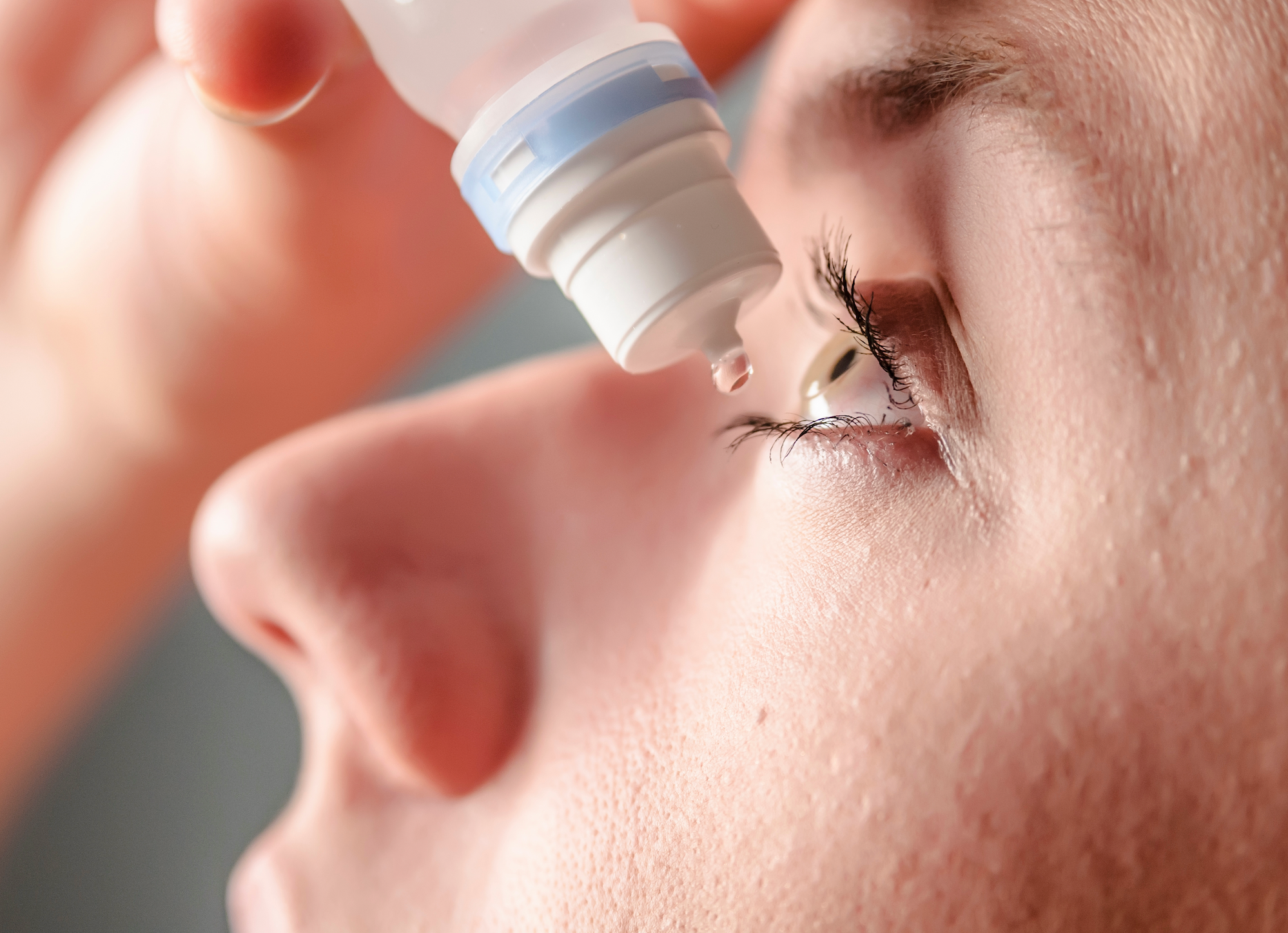
As we age, our eyes often produce fewer tears. This can leave them feeling dry, irritated, watery or uncomfortable. Spending long hours looking at digital screens may make these symptoms worse. Fortunately, simple treatments and lifestyle changes can usually provide relief.
Glaucoma
Glaucoma is often called the silent thief of sight because it may not cause noticeable symptoms during its early stages. Increased pressure inside the eye gradually damages the optic nerve, leading to permanent vision loss if not treated. Routine eye exams are often the only way to detect glaucoma before significant damage occurs.
Retinal Detachment
Although less common, retinal detachment is a medical emergency. Sudden flashes of light, a shower of new floaters or what feels like a curtain covering part of your vision should never be ignored. Immediate treatment offers the best chance of saving your eyesight.
Tips for Maintaining Eye Health for Seniors
Keep Up with Regular Eye Exams
Routine eye checkups allow your eye doctor to spot changes before they begin affecting your vision. Many age-related eye conditions respond better when detected early.
Get Vision Correction
If glasses or contact lenses are no longer providing the clarity you need, it may be worth discussing other options with your eye specialist. For some people, procedures such as refractive lens exchange can provide long-term vision correction while also reducing the future risk of cataracts.
Manage Underlying Health Conditions
Keeping diabetes, high blood pressure and cholesterol under control helps protect the delicate blood vessels that support healthy vision.
Eat a Healthy Diet
A balanced diet rich in leafy greens, colorful vegetables, fruits, fish, nuts, and foods containing vitamins A, C and E can support long-term eye health.
Wear Sunglasses With UV Protection
Ultraviolet rays can contribute to cataracts and other eye conditions over time. Wearing sunglasses that block both UVA and UVB rays helps protect your eyes whenever you’re outdoors.
Avoid Smoking
Smoking increases the risk of several serious eye diseases, including cataracts and macular degeneration. Quitting smoking benefits both your eyesight and your overall health.
Stay Physically Active
Regular exercise supports healthy blood circulation throughout the body, including your eyes. Even moderate physical activity can help lower the risk of certain eye conditions while supporting general well-being.
Looking after your eyesight becomes increasingly important as you grow older. While some vision changes are expected with age, many serious eye conditions can be managed successfully when detected early. Regular eye exams, healthy daily habits and timely treatment can go a long way in helping you enjoy clear vision and maintain your independence for years to come.
Azhar I. Salahuddin, M.D., is an ophthalmologist at InSight Vision Center in Fresno, California, and is fellowship-trained in cornea, external diseases and refractive surgery. Salahuddin has been performing cataract surgery for over 19 years and specializes in ocular reconstruction, corneal transplantation surgery, as well as vision correction through a variety of intraocular lenses. Salahuddin is board-certified by the American Board of Ophthalmology and was trained at Boston University.