

Health Resources Hub / Mental Health / PTSD
Anxiety, Exhaustion, Emotional Numbness. Could You Have PTSD Without Knowing It?
PTSD can develop after far more traumatic experiences than most people realize, and millions of Americans are living with its symptoms right now without knowing it.
Advertisement
Advertisement
By
Lana Pine| Published on June 23, 2026
Fact checked by:
Cydney Ortiz, Psy.D.6 min read
When most people hear the phrase post-traumatic stress disorder (PTSD), they picture a combat veteran or a survivor of a major disaster. That association is not wrong, but it is incomplete. PTSD can develop after any traumatic experience that overwhelms the brain's ability to process what happened, and millions of people are living with it right now without recognizing it for what it is. During PTSD Awareness Month, here is what everyone should know.
What is PTSD?
Post-traumatic stress disorder is a mental health condition that can develop after a person experiences or witnesses a traumatic event or series of events. It is not a sign of weakness, a character flaw, or something a person can simply push through. It is a neurological and psychological response to overwhelming stress, and it is recognized as a mental health condition by the American Psychiatric Association.
PTSD affects an estimated 4% of American adults every year, and roughly 1 in 11 people will be diagnosed with it at some point in their lifetime. Women are twice as likely as men to develop PTSD.
What kinds of experiences can cause PTSD?
This is where many people get tripped up. While combat exposure and major disasters are well-known causes, PTSD can also develop following a much wider range of experiences.
These include childhood abuse or neglect, sexual assault, domestic violence, serious accidents, sudden loss of a loved one, a medical illness and related treatment, a traumatic childbirth experience, prolonged caregiving for a seriously ill family member, racial or ethnic trauma, and toxic abusive relationships.
It is also worth noting that PTSD does not always stem from a single event. Repeated exposure to stressful or threatening situations over time, sometimes called complex trauma or C-PTSD, can produce similar or more pervasive symptoms.
What are the symptoms of PTSD?
PTSD symptoms fall into four main categories, according to the National Institute of Mental Health.
- Reexperiencing symptoms include intrusive memories, flashbacks or nightmares related to the traumatic event. These can feel vivid and distressing, as though the event is happening again.
- Avoidance symptoms involve deliberately staying away from people, places, situations or even thoughts and feelings that serve as reminders of the trauma.
- Arousal and reactivity symptoms include being easily startled, feeling constantly on edge or hypervigilant, having difficulty sleeping, experiencing angry outbursts and struggling to concentrate.
- Mood and cognition symptoms include persistent negative beliefs about oneself or the world, feelings of guilt or shame, emotional numbness, loss of interest in activities that once brought pleasure, challenges with memory and distortions in thinking, and difficulty feeling positive emotions.
Many people with PTSD describe a general sense of being disconnected from their own life, relationships or emotions, without necessarily being able to explain why.
Why do PTSD symptoms so often go unrecognized?
PTSD is more prevalent than one may think. Several factors contribute to this. First, the cultural association of PTSD with combat means many people do not consider it a possibility if their trauma does not fit that mold. Second, symptoms like anxiety, exhaustion, irritability and emotional withdrawal are common enough that they are often attributed to stress, burnout or personality rather than trauma. Third, many people blame themselves for how they feel, assuming they are overreacting or not resilient enough, when in fact their symptoms are a biological and neurological response that is largely outside of their conscious control.
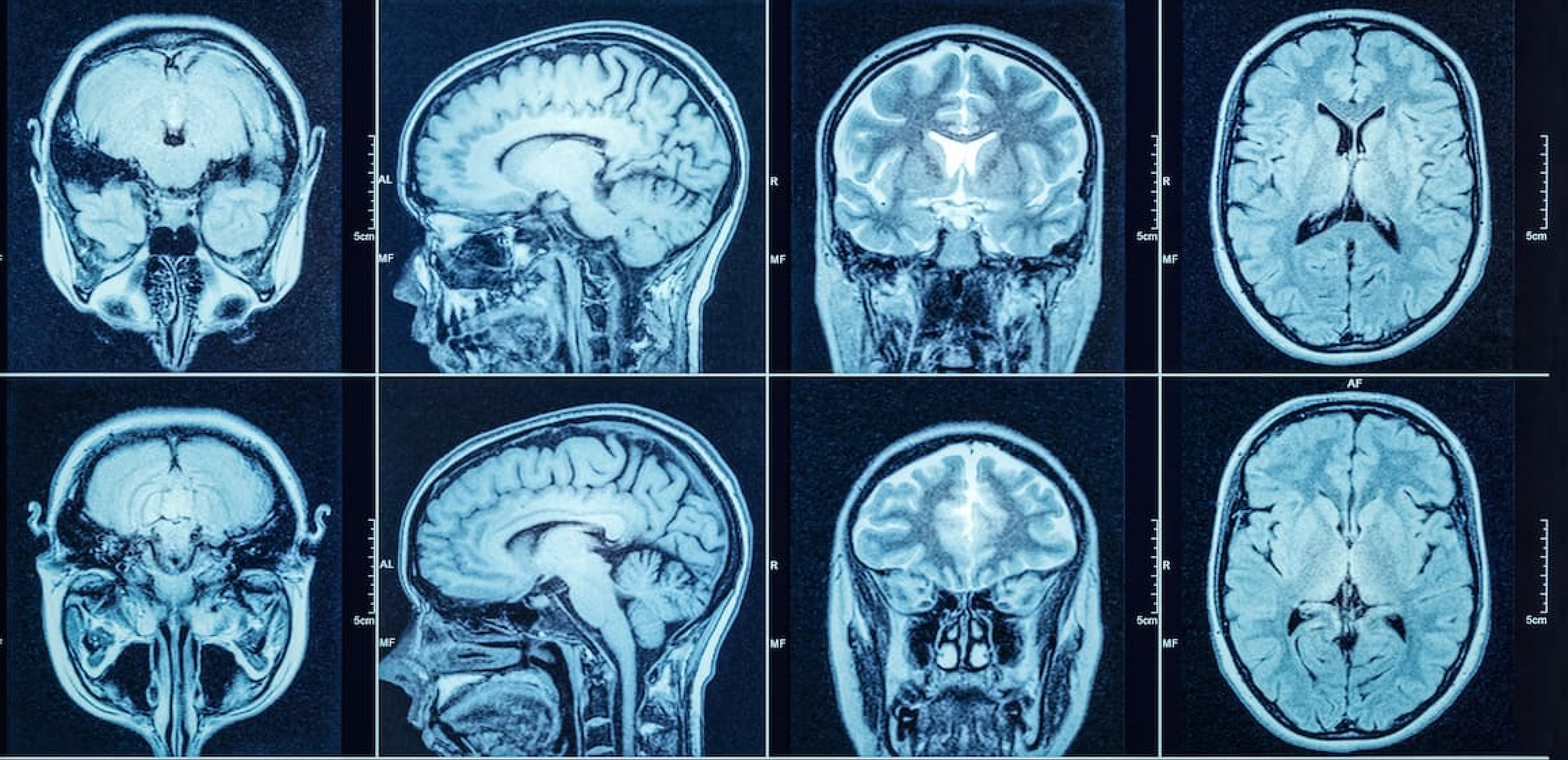
Research has shown that trauma changes the brain's structure and function, particularly in areas responsible for fear response, memory and emotional regulation. This is one reason why PTSD symptoms can persist for months or years after a traumatic experience, and why simply deciding to "move on" does not make them stop.
When should you seek help?
If you have been experiencing symptoms like those described above for more than a month, and they are interfering with your ability to work, maintain relationships or function in daily life, it is worth speaking with a mental health professional. A therapist or psychiatrist can conduct a proper evaluation and discuss treatment options.
Effective, evidence-based treatments for PTSD exist and work well for many people. These include cognitive behavioral therapy, cognitive processing therapy, prolonged exposure therapy, and eye movement desensitization and reprocessing. Medication can also be helpful, particularly certain antidepressants that have been approved specifically for PTSD treatment.
You do not need to have a "certain kind" of trauma to deserve help. If your past is affecting your present, that is reason enough to reach out.
Where can I learn more?
Several patient organizations offer free, accessible resources for anyone who wants to learn more or find support. The PTSD Alliance provides educational materials, a directory of treatment providers and guidance for both patients and their loved ones on navigating a PTSD diagnosis. The National Center for PTSD, operated by the U.S. Department of Veterans Affairs, offers a wealth of evidence-based information that is relevant not just to veterans but to anyone living with trauma, including self-help tools, treatment locators, and resources for family members and caregivers.