

Health Resources Hub / Mental Health / PTSD
Why Do We Love Being Scared? A Psychologist Explains the Thrill of Fear
Ty Milton, Ph.D., explains why the same fight-or-flight rush that sends some people running makes others line up for haunted houses, and when enjoying fear becomes a concern.
Advertisement
Advertisement
By
Lana Pine| Published on October 30, 2026
Fact checked by:
Afton Woodward6 min read
Horror movies, haunted houses and true crime documentaries all set off the same ancient survival system in the brain. Whether that rush feels thrilling or miserable depends largely on the person experiencing it, according to Ty Milton, Ph.D., associate professor of behavioral science and psychology at Mid-America Christian University.
What happens in the brain and body during a scare
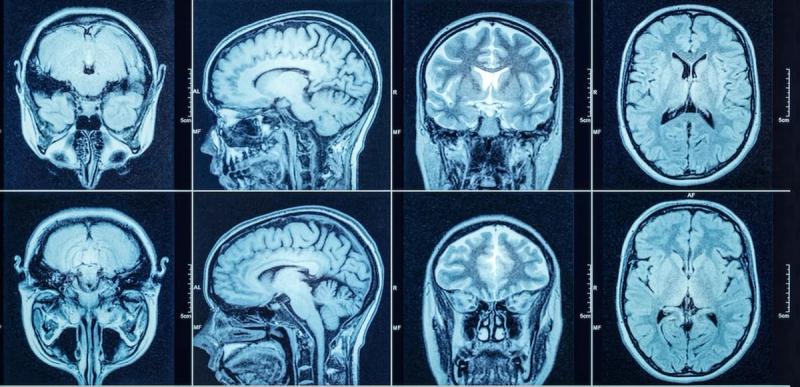
When something frightening appears on screen or jumps out in a dark hallway, the body launches a fight-or-flight response, Milton said. The amygdala, a brain region that detects emotionally significant threats, helps activate the sympathetic nervous system. That sets off a series of changes:
- Heart rate increases;
- breathing speeds up;
- muscles tense; and
- stress hormones such as adrenaline and cortisol may be released.
The body is preparing to fight or flee, even when the threat is fictional. What makes the experience fun instead of distressing is the brain’s awareness that it’s safe.
“Our brains do not always distinguish immediately between a fictional threat and a real one, but our ability to recognize safety can transform a frightening experience into an exhilarating one,” Milton said.
Why some people love fear and others avoid it
Enjoyment of fear comes from a mix of personality, temperament, neurological sensitivity and past experiences, Milton said. People who love horror often score higher in a trait called sensation seeking, a preference for novelty, excitement and stimulation. For them, the physical arousal of fear feels exciting rather than threatening, and confronting something frightening in a controlled setting can bring a sense of accomplishment.
Milton said neither preference is healthier than the other. Enjoying scary experiences doesn’t make someone psychologically stronger, and avoiding them isn’t a sign of weakness.
“Fear is universal, but our interpretation of fear is highly individual,” he said. “And that explains why some people willingly pay $40 to have a masked stranger chase them through a dark cornfield, while others would gladly pay twice that amount to ensure it never happens.”
The pull of true crime and morbid curiosity
Interest in disturbing topics reflects what psychologists call morbid curiosity, a common and generally healthy interest in learning about dangerous or threatening situations, Milton said. Our ancestors survived by recognizing threats and dangerous people, so the brain evolved to pay close attention to danger and uncertainty. Horror films and true crime let people explore those threats without facing them firsthand.
True crime also taps into a need to find patterns and make the world feel more predictable. Viewers often wonder what drives someone to commit a crime, whether there were red flags, and whether it could have been prevented.
“Human beings are not simply curious about what makes people good; we are equally fascinated by what makes people capable of extraordinary cruelty,” Milton said.
Can safe scares help with stress?
Seeking out fear in a safe setting may help some people with stress management, resilience, emotional control and confidence in their ability to cope, Milton said. Recreational fear has some things in common with exposure therapy, since both involve facing frightening things instead of avoiding them. However, watching a horror movie isn’t the same as therapy, which is carefully planned and tailored to a person’s specific fears.
A 2021 study of 310 U.S. adults conducted during the COVID-19 pandemic found that horror fans showed greater resilience, and fans of “prepper” genres such as zombie, apocalyptic and alien invasion films showed both greater resilience and preparedness. Milton noted that the findings are correlational and don’t prove horror causes resilience, but they suggest frightening entertainment may serve as a kind of psychological rehearsal for some people.
“Fear is not always dangerous; rather, the psychological effects of fear are often determined by the circumstances surrounding it and our capacity to control our reaction,” he said.
When enjoying fear becomes a concern
How much horror someone watches matters less than whether it starts affecting their emotional well-being, daily life or relationships, Milton said. Over time, people can become used to the same scares, a normal learning process called habituation. Wanting more intense content isn’t automatically a problem.
Milton encourages people to watch for these warning signs:
- Persistent distress: anxiety, fear or disturbing thoughts that last well after the experience ends
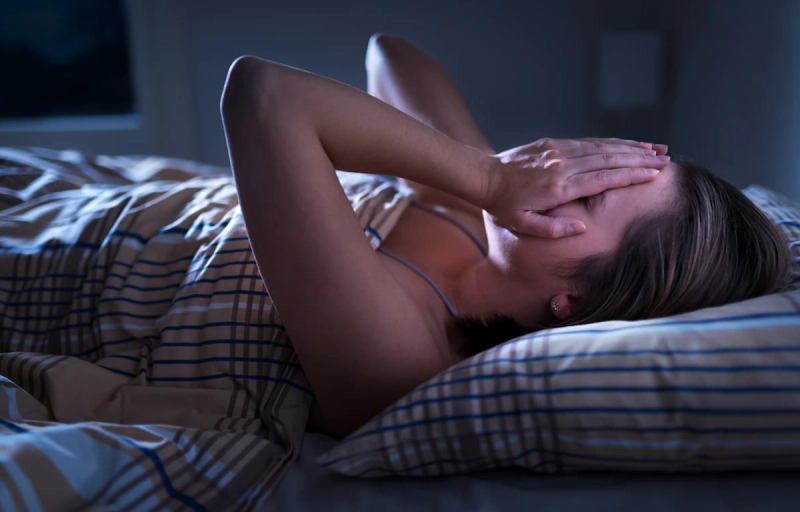
- Sleep problems: recurring nightmares, insomnia or trouble sleeping because of frightening images
- Escalating stimulation: feeling compelled to seek more extreme content, especially along with distress or loss of control
- Trouble disengaging: continuing to watch disturbing material despite wanting to stop
- Changes in everyday behavior: avoiding normal activities, becoming overly suspicious or feeling afraid in safe places
- Emotional dependence: relying only on frightening experiences to feel excitement or escape uncomfortable emotions
He suggests asking yourself one question: “Am I choosing this experience because I enjoy it, or do I feel compelled to continue even though it is affecting me negatively?”
“There is nothing inherently concerning about enjoying a good scare,” Milton said. “The concern begins when the fear follows you home, interferes with your peace of mind, and refuses to leave long after the movie credits have rolled.”