

Health Resources Hub / Infectious Disease / COVID-19
Cold or Something More? How to Know When Your Child Needs a Doctor’s Visit
Joane Cadet, M.D., FAAP, says the deciding factor for keeping a sick child home is whether symptoms could disrupt learning or spread illness to others.
Advertisement
Advertisement
By
Lana Pine| Published on August 26, 2026
Fact checked by:
Afton Woodward4 min read
Deciding whether a sick child should stay home from school isn’t always straightforward, especially when symptoms are mild or a child insists they feel fine. Joane Cadet, M.D., FAAP, a general pediatrician with Bluebird Kids Health, breaks down the signs parents shouldn’t ignore, from fever and vomiting to a new or spreading rash, and explains when a common cold crosses the line into something that warrants a doctor’s visit.
Cadet also addresses one of the trickiest parts of the equation: knowing when a child is truly ready to go back. She shares the general guidelines she gives parents on how long to wait after symptoms clear, and why calling the pediatrician is often the simplest way to cut through the uncertainty.
What’s the general rule of thumb for deciding whether a sick child should stay home from school?
Joane Cadet, M.D., FAAP: The general rule of thumb for deciding whether sick children should stay home from school is if they have any symptoms that would disrupt their ability to participate in class or if they have any illness that could be passed on to others, they should stay home. When in doubt, give your pediatrician a call.
Are there specific symptoms, like fever or vomiting, that should automatically keep a child home, regardless of how “fine” they otherwise seem?
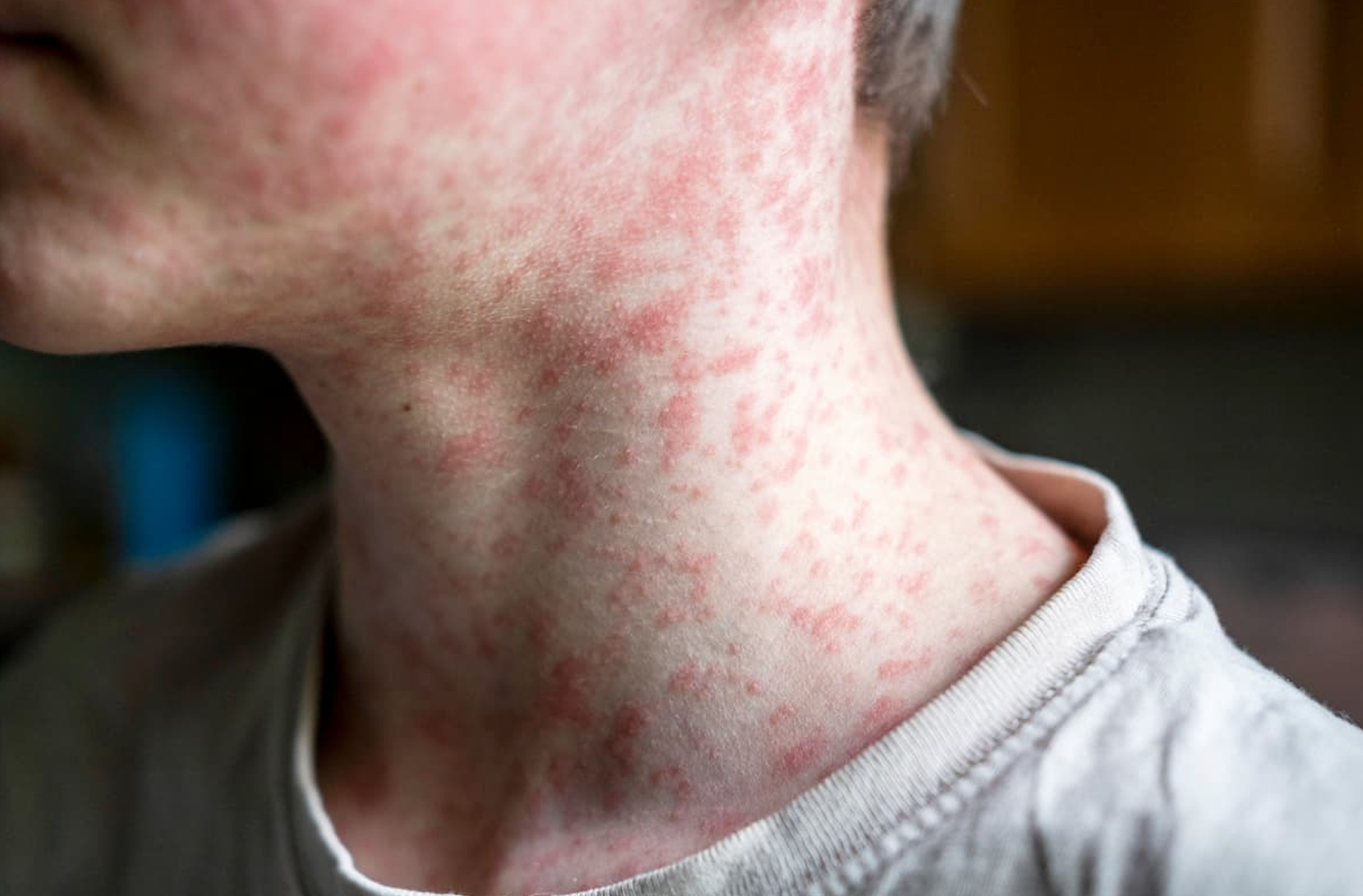
JC: Having a fever, vomiting or diarrhea in the last 24 hours typically means that your child has not recovered enough to go back to school and has a higher chance of passing on the illness to others. New rashes or a spreading rash are also signs that your child’s illness could be passed on to other children.
How do you tell the difference between a cold that’s fine to manage at home and something that actually needs a doctor’s visit?
JC: Colds are very common, and most children will feel better within 10 days. A doctor’s visit might be necessary for a cold that is accompanied by fever lasting more than three days (temperature of 101 degrees Fahrenheit), a fever over 104 F at any point, breathing difficulty, severe ear pain, headache and/or a spreading rash. If the child is also not drinking enough fluids to stay hydrated and is urinating less than three or four times in a 24-hour period, they should also see their pediatrician.
If the cold symptoms are not getting better after 10 days, the child should see their doctor.
What mistakes do you see parents make most often when deciding whether to send a sick kid to school, either sending them too soon or keeping them home longer than necessary?
JC: I’ve seen many parents decide to send kids to school too soon, and I’ve seen many decide to keep them home longer than necessary as well. It’s hard to know in some cases, and that’s why it’s always good to reach out to the pediatrician when in doubt.
Once a child is well enough to return, is there a general guideline for how long after symptoms clear they should wait before going back?
JC: The general guidelines for returning to school are to wait until the child has been fever-, vomiting- and diarrhea-free for at least 24 hours and until the child seems well enough to participate in a full day of classroom activities.