

Health Resources Hub / Infectious Disease / Influenza
Measles Cases Are Climbing in the U.S. Here's What's Driving It.
With 38 new outbreaks reported in 2026 across dozens of states, health officials say the country's measles elimination status could be at risk.
Advertisement
Advertisement
By
Lana Pine| Published on August 16, 2026
4 min read
Measles is having a resurgence in the United States, and 2026 is shaping up to be one of the worst years for the disease in decades. As of early August, more than 2,400 confirmed cases had been reported nationwide, already exceeding the total case count for all of 2025, a year that itself marked the highest annual measles total in more than three decades. Cases have been reported in dozens of states, with active outbreaks in Virginia, Pennsylvania, Arizona, Delaware, Wyoming, Utah and Texas.
The timing lines up with National Immunization Awareness Month, observed each August, which is meant to highlight the importance of staying current on recommended vaccines across all life stages. Few diseases illustrate that message as clearly as measles.
The main driver: Declining vaccination rates
Public health experts point to one factor above all others behind the current surge: a gradual, multiyear decline in childhood MMR vaccination rates. Measles is considered the most contagious vaccine-preventable disease, meaning it's typically the first to resurface when community immunity drops, even slightly.
That sensitivity is why small dips in vaccination coverage can have an outsized impact. According to public health estimates, just a 1% decrease in childhood MMR vaccination rates could lead to roughly 17,000 additional measles cases, 4,000 hospitalizations and dozens of preventable deaths nationwide each year. As pediatric infectious disease expert Richard Besser, M.D., put it, measles functions as "the canary in the coal mine" for broader gaps in vaccination coverage.
Why outbreaks spread so quickly once they start
Measles doesn't need many opportunities to spread. The virus is airborne and can linger in a space for up to two hours after an infected person leaves the room. In an unvaccinated population, a single case can lead to as many as 9 out of 10 close contacts becoming infected. That's why outbreaks tend to take hold quickly in communities where vaccination coverage has fallen below the threshold needed for herd immunity, even if national vaccination rates overall remain relatively high.
Health officials have also pointed to summer travel as a contributing factor this year, since international travel can reintroduce the virus into communities where local immunity has weakened, allowing it to spread more easily once it arrives.
What "elimination status" means, and why it's at risk
The United States officially eliminated measles in 2000, meaning the disease was no longer continuously spreading within the country, though cases could still arrive from travelers. Maintaining that status requires stopping any chain of transmission within 12 months of it starting. With outbreaks now stretching across multiple states and years, international health experts are expected to review later this year whether the U.S. should retain its elimination status, a designation the country has held for a quarter century.
What this means for individuals
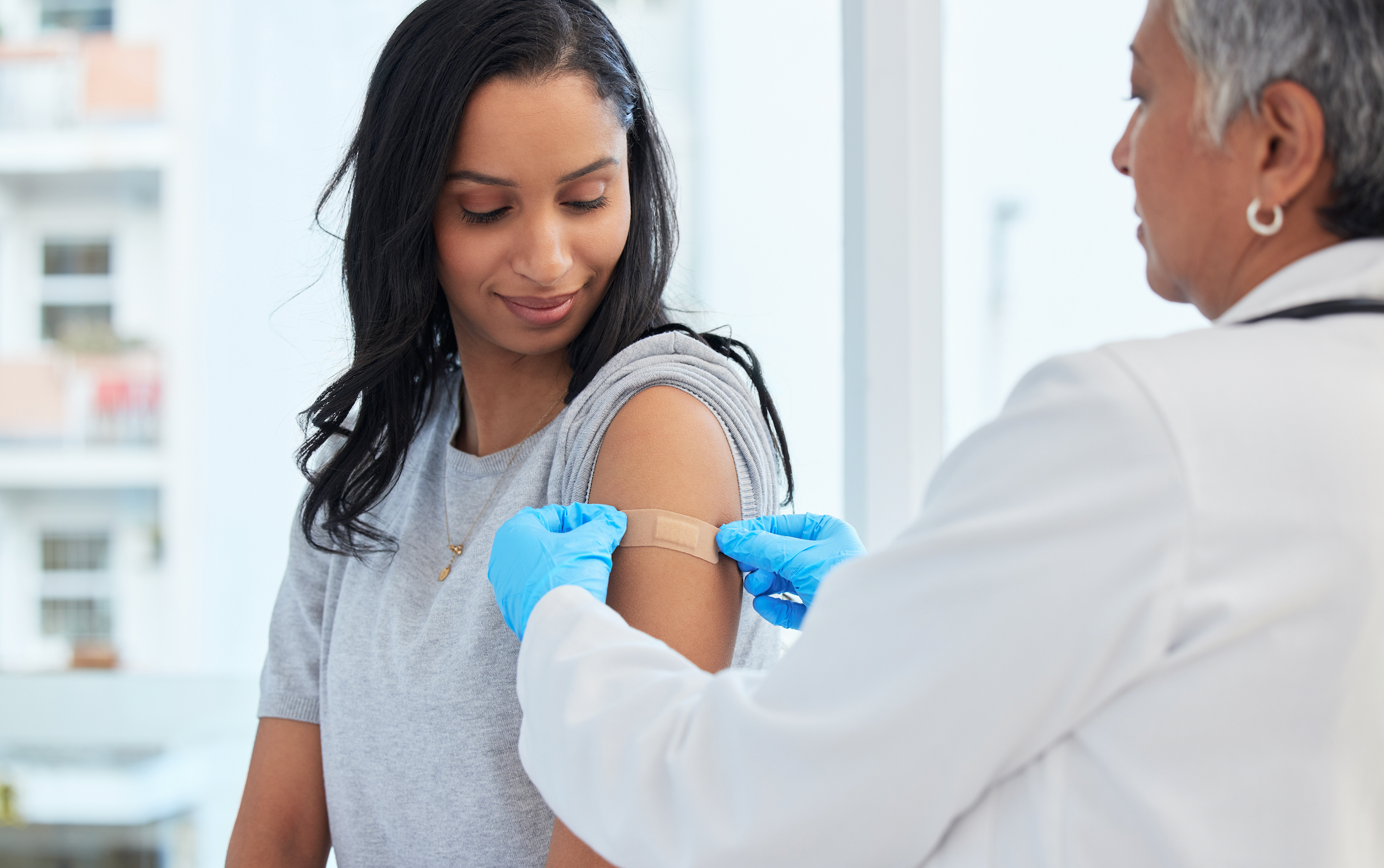
For most people, the practical takeaway is straightforward: The MMR vaccine remains highly effective, and staying current on it is the most reliable way to reduce personal and community risk. Public health officials recommend that anyone unsure of their own or their child's vaccination status check with a health care provider, particularly ahead of travel or the start of the school year, when case counts have historically tended to rise.
This National Immunization Awareness Month, health officials say the current measles trend serves as a reminder that vaccination isn't just a personal decision. It's also what keeps community-level protection strong enough to prevent outbreaks like this one from taking hold in the first place.