

Health Resources Hub / Infectious Disease / Influenza
Strep, Cold or Flu? Signs Your Child May Need a Strep Test
Cristina Baker, M.D., MPH, explains how parents can tell when a child’s sore throat may be strep, which red flags need urgent care and when kids can return to school after treatment.
Advertisement
Advertisement
By
Lana Pine| Published on November 9, 2026
Fact checked by:
Afton Woodward4 min read
When a child wakes up with a sore throat, it can be hard to know whether it’s a cold, the flu or strep throat. Cristina Baker, M.D., MPH, head of medical and scientific affairs for infectious disease, rapid diagnostics at Abbott, explained which symptoms point toward strep, when to seek care and what families should expect after a diagnosis.
Clues That Point Toward Strep
Strep throat can cause a sore throat along with fever, headache and sometimes stomach discomfort. Unlike a common cold, it usually doesn’t come with a cough or runny nose.
“A sudden sore throat accompanied by fever and the absence of typical cold symptoms may be a reason to speak with a health care provider about whether testing is appropriate,” Baker said.
Children with typical cold symptoms, such as a runny nose and cough, can often be cared for at home with rest, fluids and symptom relief. Baker said parents should consider calling a health care professional if a sore throat is severe, comes with fever, lasts several days or occurs without cold symptoms.
Because strep shares symptoms with other illnesses, symptoms alone can’t confirm it. A test gives an objective answer.
Red Flags That Need Prompt Attention
Baker said parents should seek medical care if a child has any of the following:
- A persistent fever
- Significant difficulty swallowing
- Symptoms that are getting worse instead of better
- Signs of dehydration, such as urinating less or having trouble drinking
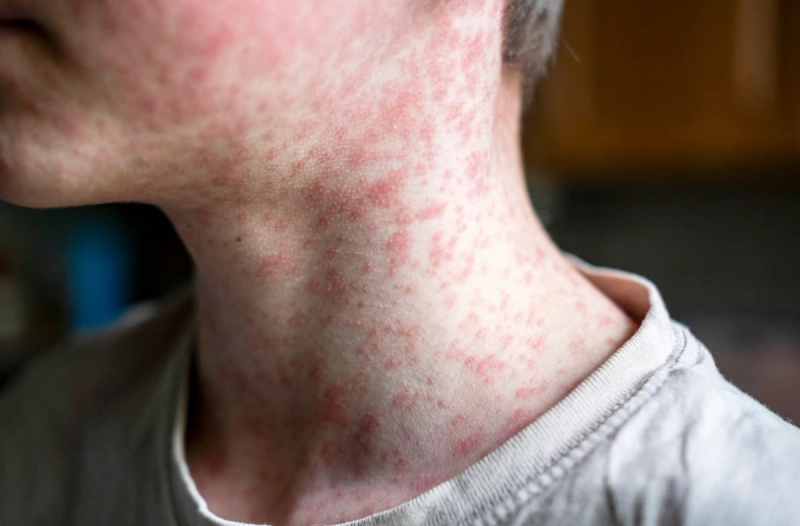
- A new rash
A child needs urgent care if they have trouble breathing, can’t swallow saliva, have severe throat pain with a muffled voice, are hard to wake, seem unusually drowsy or confused, or develop significant swelling in the neck or throat.
“Parents should trust their instincts and seek prompt medical attention any time a child appears seriously ill or they are worried about a rapid change in their condition,” she said.
How Strep Tests Differ
Traditional rapid antigen tests give quick results but are less sensitive. A negative result in a child may need to be confirmed with a throat culture, which can take two to three days.
Newer molecular point-of-care tests, such as Abbott’s ID NOW Strep A 2 test, are more sensitive and can provide results during the visit.
“For families, that can mean less uncertainty and a clearer plan for next steps before leaving the appointment,” Baker said.
Why Testing Matters Before Antibiotics
Most sore throats in children are caused by viruses, and antibiotics only treat bacterial infections.
“Antibiotics treat bacterial infections, so they will not help a sore throat caused by a virus,” Baker said.
Confirming strep helps clinicians avoid unnecessary antibiotics while making sure children who do have strep get the right treatment.
Treatment and Returning to School
Once strep is confirmed, antibiotics can ease symptoms, lower the chance of spreading the infection and help prevent complications of untreated strep.
Children are generally much less likely to spread strep after about 24 hours of antibiotic treatment. In most cases, they can return to school or day care once they have taken antibiotics for at least 24 hours, are fever-free and feel well enough for normal activities.