

Health Resources Hub / Infectious Disease / Influenza
Flu Is on the Rise. A Pediatrician Shares How Parents Can Prepare for Respiratory Virus Season
Pediatrician Angela Cabarcas, M.D., shares practical tips for telling respiratory viruses apart, protecting newborns and deciding when kids should stay home.
Advertisement
Advertisement
By
Lana Pine| Published on November 13, 2026
4 min read
As the weather cools, respiratory viruses start making their way through schools, day care centers and family gatherings. Angela Cabarcas, M.D., a pediatrician with Bluebird Kids Health, spoke with The Educated Patient about why flu, RSV and COVID-19 tend to rise together, what she’s seeing this season and how parents can protect their families.
Indoor gatherings and dry air help viruses spread
In the fall, people spend more time indoors at school and family gatherings, where respiratory viruses spread easily, Cabarcas explained. Cold, dry air also helps these viruses stay stable and linger longer.
“Overall, I’ve been seeing low numbers of RSV and COVID-19 right now but influenza is definitely on the rise,” she said.
Similar symptoms make the viruses hard to tell apart
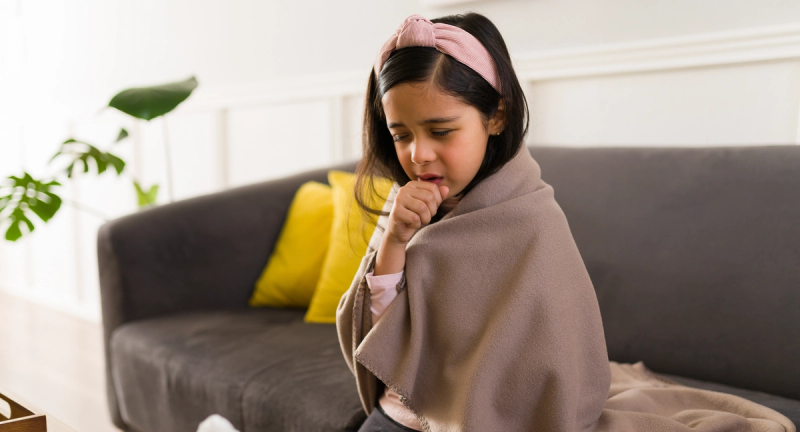
Flu, RSV and COVID-19 all cause upper respiratory infections that look alike, so it’s hard to tell them apart from symptoms alone, Cabarcas said. Still, each virus has some common patterns:
- Flu usually brings a high fever, fatigue and body aches, along with cough, congestion and often vomiting.
- RSV may feel like a bad cold in adults. Babies and toddlers, however, often have a lot of mucus and inflammation in the small airways of the lungs, which can cause wheezing and trouble breathing.
- COVID-19 can cause many different symptoms, including fever, cough, congestion, stomach symptoms and sometimes loss of taste and smell.
Testing is most helpful when the result could change a child’s care. “Testing is useful if it changes the management, such as the possibility of prescribing the antiviral medication, oseltamivir, for influenza,” Cabarcas said.
Checking on immunizations before viruses peak
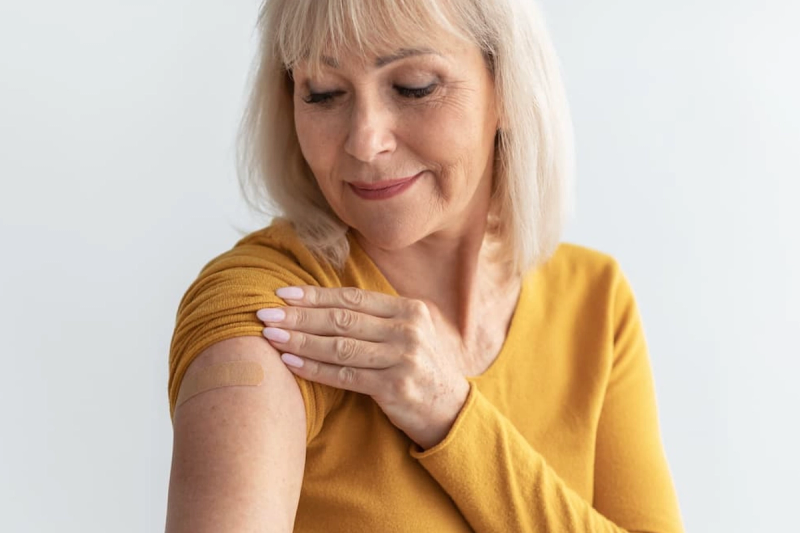
Along with routine vaccines at well-child visits, there are immunizations that help protect against flu, COVID-19 and RSV. Because fall marks the start of respiratory virus season, Cabarcas said the goal is to protect kids as soon as possible, before the viruses are widespread.
She recommends a yearly flu shot for children older than 6 months. For COVID-19, Cabarcas said current CDC guidance recommends an annual vaccine for children with weakened immune systems, with shared decision-making between parents and pediatricians for all other children.
For newborns and young infants, RSV protection can come from a maternal RSV vaccine given in the third trimester of pregnancy or from an RSV antibody given to babies 0 to 8 months old during their first RSV season.
Protecting a newborn when a sibling gets sick
Newborns are best protected when the people around them are up to date on recommended vaccines, such as flu, COVID-19 and Tdap, Cabarcas said.
If an older sibling gets sick, she suggests keeping the newborn apart from the sibling when possible. If there are two parents at home, one can care for the sick child while the other cares for the baby. Frequent handwashing, cleaning high-touch surfaces like doorknobs and faucets, and masks for older children and adults in the household can also help.
The fever rule many parents miss
One common mistake is sending a child back to school after a fever goes down with fever-reducing medicine, according to Cabarcas. That child is usually still contagious. Children should stay home until they have gone 24 hours without a fever and without fever-reducing medicine.
Most children with a few days of fever, cough or congestion don’t need to see a doctor if they’re breathing comfortably and drinking well, she said. Babies are an important exception. For infants younger than 3 months, any fever of 100.4 degrees F or higher should be checked by a doctor right away.