


Health Resources Hub / Endocrine Health / Type 2 Diabetes
Cortisol and Type 2 Diabetes: Solutions and Practical Takeaways
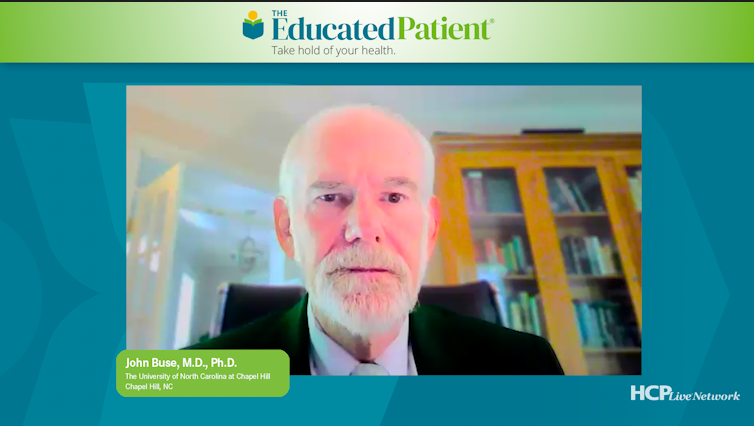
Concluding the series, John Buse, M.D., Ph.D., details how cortisol directly promotes visceral belly fat distribution and appetite surges, while leaving patients with an empowering reminder that a stubborn A1C is a clinical puzzle to solve rather than a personal failure.
Advertisement
Advertisement
By
John Buse, M.D., Ph.D.| Published on July 13, 2026
3 min read
In the sixth and final episode of our insights series, Cortisol and Type 2 Diabetes: What Patients Need to Know, John Buse, M.D., Ph.D., addresses a fundamental struggle for many individuals living with type 2 diabetes: belly fat and unexpected weight gain. Buse explains that excess cortisol is clearly associated with a central fat distribution pattern, specifically targeting visceral fat rather than subcutaneous fat. While the exact biological reasons for this preference remain a subject of ongoing study, cortisol is known to have direct effects on fat cells, leading to their physical expansion and likely triggering an increase in the total number of fat cells. Furthermore, cortisol acts directly on the liver to promote de novo lipogenesis, essentially forcing the liver to manufacture fat, while simultaneously triggering central mechanisms in the brain that amplify appetite. This explains why even patients exposed to modest doses of glucocorticoid medications for everyday issues like arthritis or allergies frequently experience a sudden surge in hunger.
The grand finale of the series delivers a powerful, encouraging message to patients who feel like they are doing everything right but are still struggling with their metabolic health. Reflecting on his 35-year career, Buse notes how drastically the diabetes landscape has evolved from an era when insulin and sulfonylureas were the only options. Today, medicine utilizes about 10 new classes of medications that target diabetes across multiple different bodily mechanisms. Buse points to the work of expert Ralph DeFronso, M.D., who famously established the "ominous octet" — a framework highlighting eight different organ systems that contribute to diabetes. In an exciting clinical update, that model has now been upgraded to the "noxious 9," officially adding hypercortisolism as the ninth major contributor to metabolic dysfunction, giving providers a distinct new pathway to target with drug therapy.
Buse emphasizes that with modern, massively effective GLP-1 receptor agonists like semaglutide and tirzepatide, which can be layered with basal insulin if necessary, pretty much every patient should realistically be able to achieve the general advised target of an A1C less than 7%. If a patient is receiving expert care and still cannot hit this benchmark, Buse reminds us that a substantial portion of these individuals — at least 25% overall, and an even higher percentage among those failing to drop below 7.5% on tirzepatide — have underlying hypercortisolism blocking their progress. Concluding the series, Buse notes that while hypercortisolism is a major pieces of the puzzle, there are likely other hidden pathways and medical mysteries left to uncover, leaving patients with a reassuring final message: a stubborn A1C is a clinical puzzle to solve with your doctor, not a personal failure.