

Health Resources Hub / Infectious Disease / COVID-19
The Educated Patient Podcast: How to Stay Healthy While Traveling
Ladan Pourmasiha, D.O., shares simple, practical tips to help travelers stay healthy and avoid common vacation-related illnesses.
Advertisement
Advertisement
By
Lana Pine,Mike DeMarco| Published on April 20, 2026
Fact checked by:
Afton Woodward3 min read
As spring break and travel season ramp up, it’s easy to focus on fun and forget about the small health habits that can make or break a trip. In this episode of The Educated Patient Podcast, Ladan Pourmasiha, D.O., known to patients as Dr. P, shares practical, real-world advice from the front lines of urgent care.
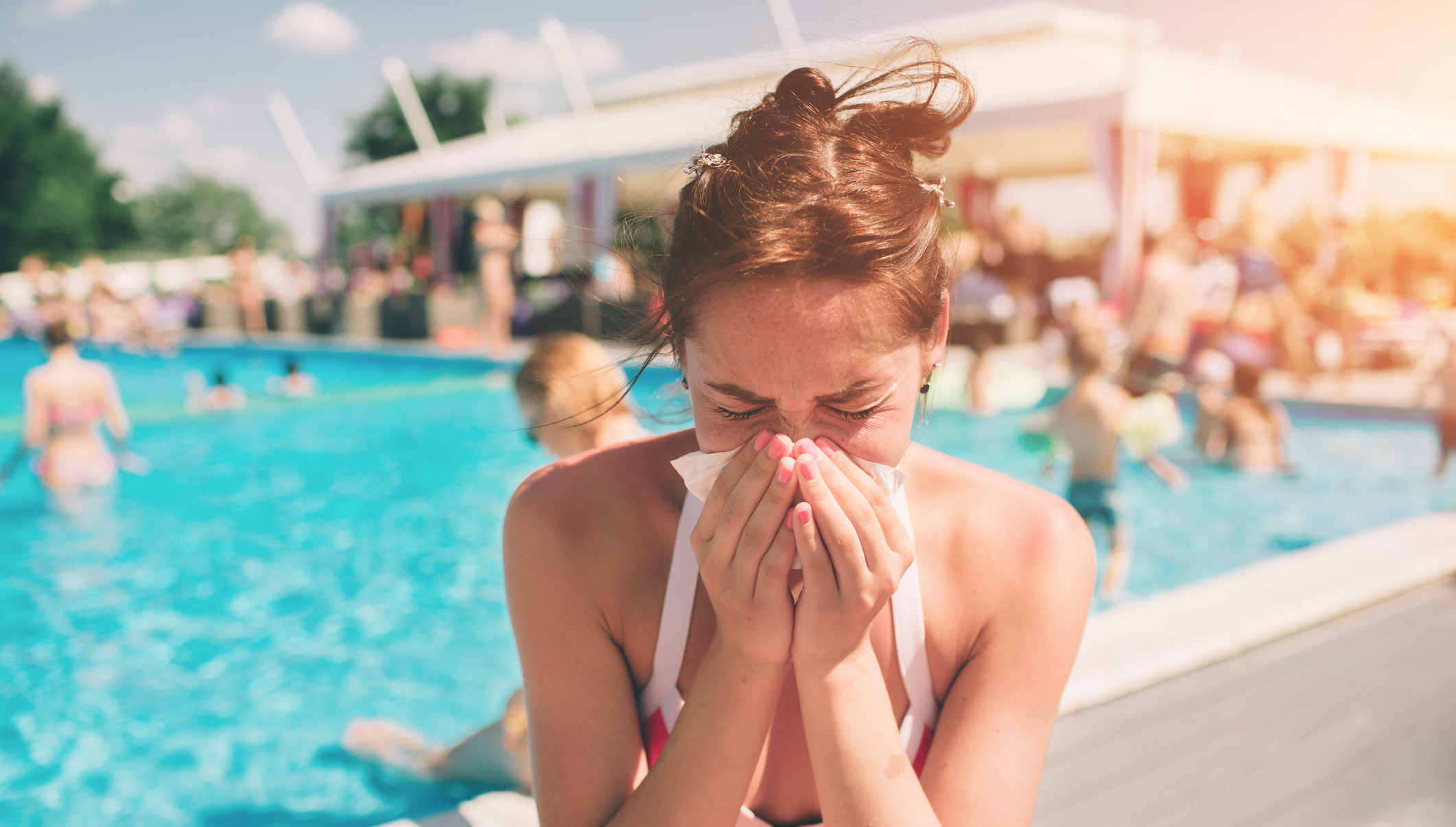
Pourmasiha, medical director of Baptist Health Urgent Care, part of Baptist Health South Florida, says travel often disrupts routines in ways that can impact health. From viral infections and foodborne illness to sunburn, dehydration and even injuries, urgent care visits tend to spike during busy travel periods. The common thread? People step outside their normal habits — sleeping less, eating differently and spending more time in the sun.
Preparation can go a long way. Pourmasiha emphasizes building a strong foundation before traveling by prioritizing sleep, hydration and nutrition. She also recommends researching your destination ahead of time, not just restaurants and attractions, but nearby urgent cares, pharmacies and hospitals. Knowing where to go in case of illness or injury can save valuable time and stress.
Once you arrive, hydration becomes critical, especially in warm climates like Florida. Many travelers underestimate how quickly dehydration can happen, particularly when combining sun exposure with alcohol. Alcohol acts as a diuretic, increasing fluid loss and raising the risk of heat-related illness. Pourmasiha recommends sticking with water during the day and saving alcoholic drinks for cooler evening hours.
Sun protection is another must. Even on cloudy days, UV exposure can be significant. Using a broad-spectrum sunscreen of at least SPF 50, reapplying every two hours and seeking shade during peak hours (10 a.m. to 4 p.m.) can help prevent painful burns and long-term skin damage.
Food safety is also key. Warm temperatures can accelerate bacterial growth, making improperly stored or handled food a common source of illness. Choosing reputable restaurants and avoiding food left sitting out (especially at buffets or outdoor gatherings) can reduce risk.
Pourmasiha encourages travelers to strike a balance between enjoyment and awareness. Her advice comes down to three simple anchors: stay hydrated, get enough sleep and eat regularly. With those basics in place, you can enjoy your trip while minimizing the chances of an unexpected visit to urgent care.