

Health Resources Hub / Infectious Disease / Influenza
An Urgent Care Doctor’s Tips for Healthy Holiday Travel
Juan Dangond, D.O., explains how to layer protection against flu, COVID-19 and RSV during holiday travel, and when to stay home or see a doctor.
Advertisement
Advertisement
By
Lana Pine| Published on November 20, 2026
Fact checked by:
Afton Woodward4 min read
The holiday season brings gatherings, flights and road trips, and it also brings a rise in respiratory viruses. Juan Dangond, D.O., an urgent care physician at Baptist Health South Florida, said the biggest problem is how much time people spend together indoors, in close quarters and with little fresh air.
Why Do Illnesses Spread So Easily During the Holidays?
Illnesses spread easily during the holidays because people spend long stretches together indoors. Whether it’s cold outside or, in South Florida, rainy, people stay inside with the windows closed, Dangond said. On a plane, even with air filters, you may be seated next to someone who is coughing. Holiday meals also mean a lot of food handling.
Start With Vaccines, Then Add Layers
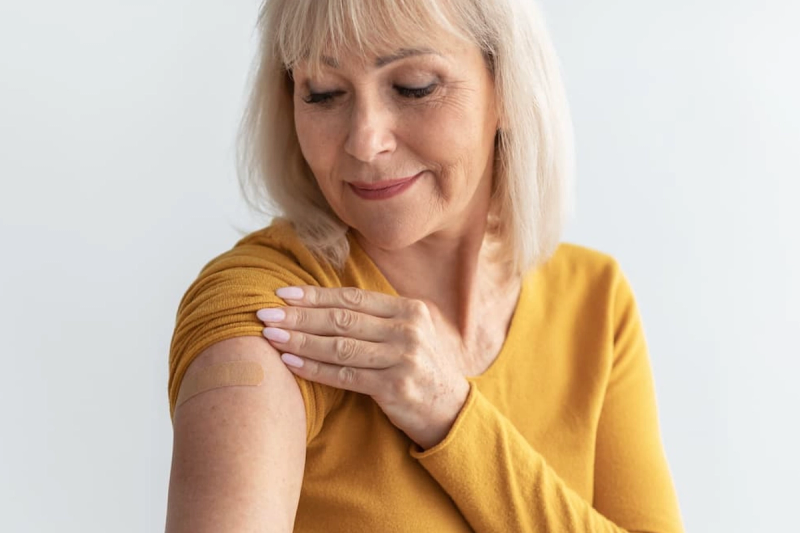
Dangond tells patients to “think of layering your protection,” starting with vaccines. He recommends a flu vaccine every year and a COVID-19 vaccine for those eligible. Vaccination for respiratory syncytial virus (RSV) is more nuanced, he said, but “if anybody is eligible for the RSV vaccine, we want to make sure that they’re getting those vaccines as well.” RSV is especially risky for babies and older adults.
The next layer is physical protection. On a plane, Dangond said, “you’re better off just putting on a mask for a couple of hours,” even if no one nearby seems sick. During get-togethers, washing your hands and choosing a cook who has no symptoms also help.
Symptoms That Mean You Should Stay Home
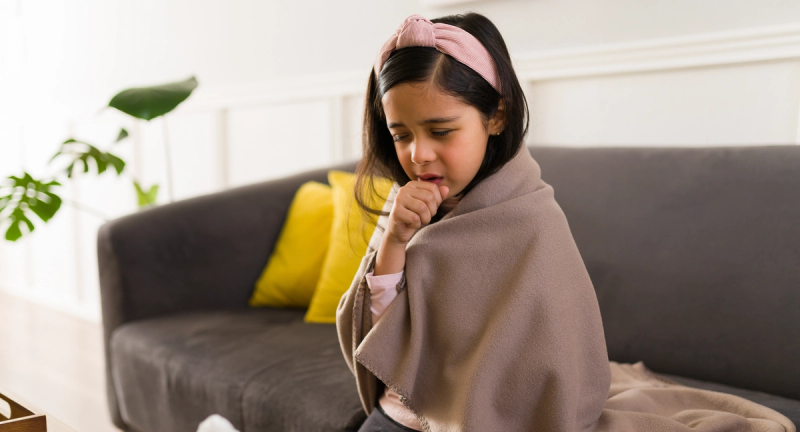
Coughing, congestion, sore throat, headache, unusual fatigue and body aches can all be signs that you’re contagious. Body aches, in particular, often point to a viral infection such as the flu.
“A lot of people feel like if you don’t have a fever, you’re not that sick. That’s not necessarily true,” Dangond said.
How to Use Home Flu and COVID-19 Tests
Home flu and COVID-19 tests from the pharmacy work well, Dangond said, but testing in the first 24 hours of symptoms can give a false negative. “That doesn’t mean you’re cleared to gather,” he said. He recommends testing again a day or two later and tracking whether your symptoms are getting better or worse.
When to Call a Doctor
Mild illness can often be managed at home with rest, fluids and over-the-counter medications such as acetaminophen, ibuprofen and cough medicine. Contact a doctor or go to urgent care if your symptoms get worse, or if you have shortness of breath, fevers that won’t come down, severe headaches, palpitations or chest pain.
People who are older, pregnant, immunocompromised or living with heart or lung disease “need to have a lower bar for asking for help,” Dangond said.
Plan Ahead, and Have a Plan B
About a week or two before a trip, check in with family members and guests about symptoms and vaccines. Pack a thermometer, cold medicine, pain relievers and enough of your regular prescriptions in case of delays.
Families should also agree on what to do if someone gets sick. “We should have a plan B for travel,” Dangond said. That might mean rescheduling a visit. If you arrive sick, it could mean staying in a separate room or finding someone other than the grandparents to watch the children.