
Brian LaMoreaux, M.D., explains why gout is primarily a genetic, kidney-based metabolic disease, not simply the result of diet or alcohol, as commonly believed.
Brian LaMoreaux, M.D., explains why gout is primarily a genetic, kidney-based metabolic disease, not simply the result of diet or alcohol, as commonly believed.
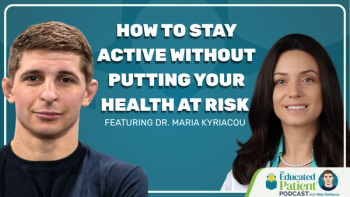
Maria Kyriacou, M.D., walks through practical hydration guidelines, including how much water and electrolytes to consume before, during and after a workout in extreme heat.
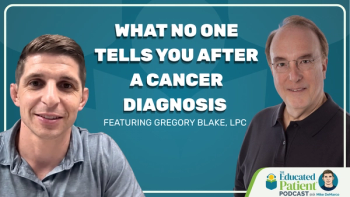
Gregory D. Blake, M.S.Ed., a licensed professional counselor, discusses the isolation patients with cancer often feel and how caregivers can serve as effective advocates without letting emotion cloud their judgment.
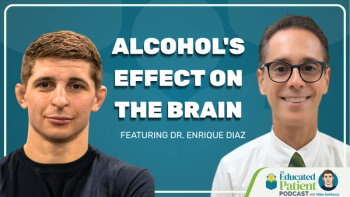
From the anxiety rebound that follows a few drinks to the brain's remarkable ability to recover with sustained abstinence, psychiatrist Enrique Diaz, M.D., offers a clinically grounded and genuinely hopeful look at alcohol's effects on the brain.

Brian Snelling, M.D., explains why stroke is increasingly affecting younger adults, why its subtle symptoms make it uniquely dangerous compared with a heart attack, and why the single most important thing anyone can do is call 911 the moment symptoms appear.
Juan Dangond, D.O., breaks down the three stages of heat-related illness, explains why acclimatization matters even for healthy athletes and outlines what bystanders should do when someone is in trouble.
Preventive cardiologist Michael D. Shapiro, D.O, explains how updated cholesterol recommendations could help identify cardiovascular risk earlier and improve long-term heart health outcomes.
Ladan Pourmasiha, D.O., shares simple, practical tips to help travelers stay healthy and avoid common vacation-related illnesses.
Nikolaus Pankow, M.D., breaks down how decluttering your home can reduce stress, improve sleep and support overall health.
Primary care expert Katie Horner, DMSC, MPAS, PA-C, explains how hormonal shifts during menopause can affect the brain, mood and overall health.
Shyam Prabhakaran, M.D., M.S., explains why managing blood pressure, AFib and lifestyle habits can dramatically reduce stroke risk.
A neurologist and his father share personal and professional insights into how MS treatment and outlook have improved over time.
Hope Barkoukis, Ph.D., RDN explains how nutrition guidance only works when it reflects how people actually live, shop, cook and eat.
Michael Siegel, M.D., M.P.H., explains how taking a break from alcohol can quickly improve digestion, sleep, mood and mental clarity.
Michael Howell, M.D., explains how sleep disorders like sleep apnea can increase the risk of heart disease, dementia and metabolic problems.
Jane Meisel, M.D., joins The Educated Patient Podcast to discuss early detection, treatment decisions and the essential role of trust in breast cancer care.
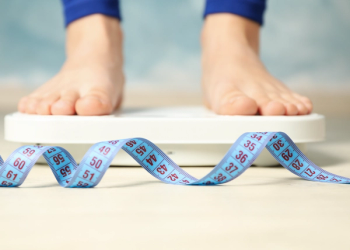
Alina Elperin, M.D., breaks down why obesity is a chronic medical condition — not a character flaw — and how personalized treatment can empower lasting change.

Born from parents’ advocacy, the Rainbow Clinic redefines how medicine approaches grief, empathy and women’s health.
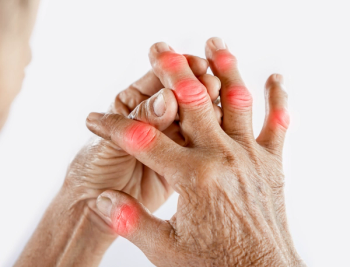
Rheumatologist Saloni Mitchell, M.D., discusses how understanding and treating rheumatoid arthritis early can help patients live fuller, more active lives.

Childhood obesity is rising at alarming rates, but early prevention, family support and empowerment — not blame — are key to healthier futures.
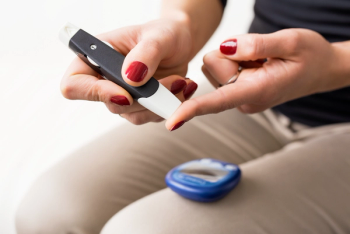
The first episode of The Educated Patient Podcast explores what it’s like to live with and treat Type 1 diabetes through the voices of Natalie Bellini, DNP, and patient advocate Brielle Eder.
© 2026 MJH Life Sciences®
All rights reserved.