

Health Resources Hub / Blood Health / Sickle Cell Disease
Study Finds Memantine Safe as Add-On Treatment for Patients With Sickle Cell Disease
Memantine may offer a low-cost, supportive option to help improve red blood cell health in sickle cell disease.
Advertisement
Advertisement
By
Lana Pine| Published on January 25, 2026
4 min read
A team of investigators are exploring whether memantine, a medication already approved for other conditions, could help improve red blood cell health in people living with sickle cell disease. In the new Phase IIa/IIb clinical trial called MeMAGEN, they found that memantine was safe and well tolerated in children and adults with sickle cell disease when used alongside hydroxyurea.
“This observation aligns with an earlier report on safe memantine administration to a small group of adult sickle cell disease patients,” wrote investigators. “At present, memantine is a standard therapy for elderly patients [with] Alzheimer‘s disease and should be avoided during pregnancy as it may impair brain development.”
The team followed 17 patients with sickle cell disease over one year to evaluate whether the drug is safe and well tolerated when used alongside standard treatment.
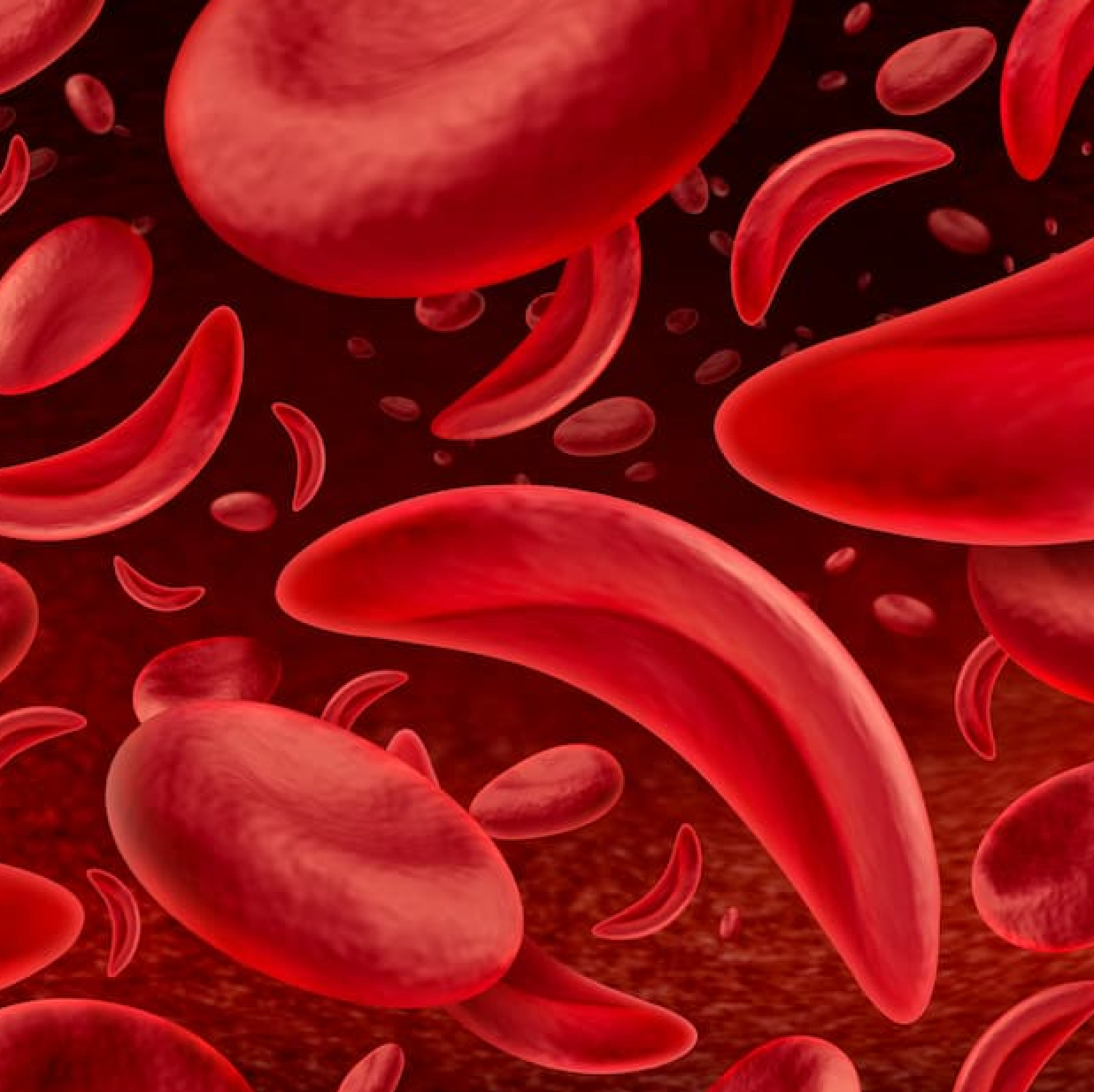
In sickle cell disease, the most common monogenic hereditary disease and the main cause of hemolytic anemia globally, red blood cells can become dehydrated and overloaded with calcium, making them more likely to become rigid, misshapen and prone to breaking apart. These changes contribute to anemia, pain episodes and other complications. Memantine works by blocking a specific receptor (the N-methyl-D-aspartate receptor) that allows excess calcium to enter red blood cells, which may help stabilize them.
During the trial, all participants remained on hydroxyurea (also called hydroxycarbamide), which is a standard therapy for sickle cell disease. Stopping hydroxyurea would not have been ethical, so researchers studied memantine as an add-on therapy, not a replacement.
Daily doses ranged from 5 to 15 milligrams for children and adolescents and 5 to 20 milligrams for adults. Importantly, the study found that memantine was well tolerated across age groups. Routine lab tests showed no significant safety concerns, and side effects were minimal.
One encouraging observation was seen in children, who experienced a reduction in the number of days spent in the hospital during the study period. While the trial was not designed to measure long-term clinical outcomes, this finding suggests potential real-world benefits worth further investigation.
In a smaller subgroup of six patients whose red blood cells showed high potassium (K⁺) leakage before treatment (a sign of unstable, dehydrated cells), memantine reduced potassium loss and increased hemoglobin levels, indicating improved red blood cell stability.
Taken together, the results suggest that memantine could become a low-cost, supportive therapy that works alongside hydroxyurea to improve red blood cell health in people with sickle cell disease. Because the drug is already widely available, easy to store and no longer under patent protection, it could be especially meaningful in regions where access to advanced treatments is limited.
“In the best case, memantine would be available for the treatment of sickle cell anemia, as a well-tolerated, easy-to-store and very cost-effective drug that is no longer patent protected,” said lead investigator Max Gassmann, professor emeritus of veterinary physiology at the University of Zurich.
This potential is especially important for patients in parts of the world with high disease burden and fewer resources.
As patients were required to continue their existing hydroxyurea therapy for ethical reasons, “the observed effects should therefore be interpreted as complementary to hydroxyurea,” Gassmann explained.
While more and larger studies are needed, this trial offers cautious optimism that an existing medication could one day help improve care for people living with sickle cell disease.

