













Alina Elperin, M.D., breaks down why obesity is a chronic medical condition — not a character flaw — and how personalized treatment can empower lasting change.
Alina Elperin, M.D., breaks down why obesity is a chronic medical condition — not a character flaw — and how personalized treatment can empower lasting change.

Noor Khurana, D.O., shares how to spot the differences between flu, COVID-19 and RSV — and when it’s time to see a doctor.
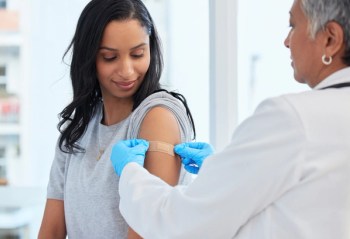
Robert Hopkins, M.D., of NFID stresses that vaccination remains the most effective way to reduce severe illness and protect vulnerable loved ones.

Pediatrician Melissa Wallach, M.D., explains how to tell RSV, flu, COVID-19 and the common cold apart — and when to call your doctor.

The COPD Action Alliance’s new white paper reveals that insurance barriers and lack of awareness are worsening health outcomes for one of the nation’s leading causes of death.

Consistent routines give children a sense of control and reduce anxiety by creating predictable, supportive daily structures.
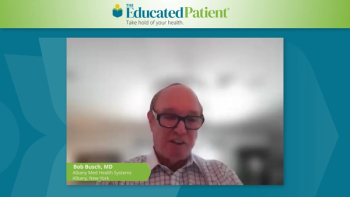
An expert discusses when patients with hypercortisolism should be referred to a cardiologist and how coordinated teamwork between primary care, endocrinology, and cardiology ensures timely diagnosis and comprehensive management.
An expert discusses the 3 main screening tests for hypercortisolism—overnight dexamethasone suppression, 24-hour urine-free cortisol, and late-night salivary cortisol—explaining their procedures, strengths, limitations, and practical use in clinical evaluation.
An expert discusses new data showing unexpectedly high rates of hypercortisolism among patients with difficult-to-control diabetes, hypertension, and cardiovascular disease, emphasizing the need for targeted screening in these high-risk groups.

Anxiety is a natural alarm system, but excessive or long-lasting fear can interfere with daily life and requires support.

Born from parents’ advocacy, the Rainbow Clinic redefines how medicine approaches grief, empathy and women’s health.
An expert discusses how delayed diagnosis of hypercortisolism leads to serious cardiometabolic, skeletal, and psychiatric consequences, while evolving understanding of its often subtle, variable presentation continues to challenge timely detection.
An expert discusses how hypercortisolism is often diagnosed late because its gradual, nonspecific symptoms mimic common conditions, while inconsistent test results and limited clinical awareness further delay recognition and treatment.

Patient-reported outcomes are helping redefine what “effective treatment” means for people with lupus.

Collaboration between patients, researchers and industry is essential to accelerate lupus drug development and make trials more patient-centered.
An expert discusses how diagnosing hypercortisolism is challenging due to its nonspecific symptoms, fluctuating hormone levels, and complex testing requirements that often delay accurate detection and treatment.
An expert discusses how hypercortisolism causes lasting physical, metabolic, and psychological damage that persists even after remission, leading to ongoing health risks, reduced quality of life, and elevated mortality.

When it comes to AFib, early diagnosis and active management can prevent serious complications like stroke and heart failure.

The Foundation for Sarcoidosis Research’s “Ignore No More” campaign is tackling racial disparities and breaking down barriers to clinical trial access.

Rheumatologist Saloni Mitchell, M.D., discusses how understanding and treating rheumatoid arthritis early can help patients live fuller, more active lives.

Pediatric rheumatologist Julie Kimura, M.D., shares a hopeful message for World Arthritis Day, highlighting early diagnosis, effective treatments and ongoing research for children with arthritis.

Psychiatrist Gary Small, M.D., explains how recognizing burnout early and setting healthy boundaries can protect both your mental health and job performance.

Choosing a primary care doctor is about finding someone who is accessible, practical and aligned with your needs.

Joe Feldman, founder of Cover My Mental Health, explains how his organization helps patients overcome insurance denials and stigma to access needed mental health care.

Mount Sinai’s CARES program combines education and therapy under one roof to help struggling teens recover academically and emotionally.

Greg Whisman, M.D., shares what to look for in a doctor, how to handle a bad visit and why staying connected to your care team matters more than ever.

Sunscreen is now easier for kids to use at school thanks to initiatives like SUNucate, helping prevent long-term skin damage and skin cancer.

Childhood obesity is rising at alarming rates, but early prevention, family support and empowerment — not blame — are key to healthier futures.

The first episode of The Educated Patient Podcast explores what it’s like to live with and treat Type 1 diabetes through the voices of Natalie Bellini, DNP, and patient advocate Brielle Eder.

At the Liver Health Symposium in Minneapolis, patients, providers and advocates joined forces to address inequities and improve early detection in liver disease.
© 2026 MJH Life Sciences®
All rights reserved.