












David VanderWeele, M.D., Ph.D., says that support groups can provide connection and understanding during the cancer journey.
David VanderWeele, M.D., Ph.D., says that support groups can provide connection and understanding during the cancer journey.

Alcohol addiction is a medical condition — and with tools like naltrexone and strong support systems, recovery is more achievable than ever.

Joseph Volpicelli, M.D., Ph.D., explains how naltrexone helps people stop drinking by blocking the brain’s reward response.

Julie Knichel, a neuro ICU nurse, woke up with a severe headache and ended up being treated for a ruptured brain aneurysm by her colleague Brian Snelling, M.D. — an emergency that changed her life.

Bladder cancer often starts silently, but David VanderWeele, M.D., Ph.D., says early detection and the right support can make a big difference.

A new initiative from the American Lung Association is making COPD care more accessible, especially for people in rural or underserved areas.
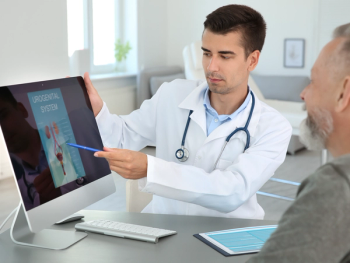
According to Michael Leapman, M.D., M.H.S., understanding their Gleason score can help patients with prostate cancer feel more confident in their treatment decisions.

According to Michael Leapman, M.D., M.H.S, prostate cancer is highly treatable when caught early, and understanding how aggressive it is helps guide the best approach.

Caroline Gainer shares how finding community through the American Lung Association helped her move forward after a COPD diagnosis.

Recognizing stroke symptoms early can save your life — learn the signs and what to do.

Bladder cancer survivor Darrell Nakagawa shares his diagnosis story and why support groups matter.

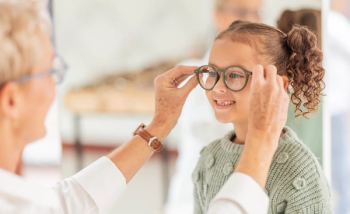
Rachel Zolno, M.D., says that pediatric MS sounds scary, but today’s treatments help kids thrive.

Early detection of bladder cancer can lead to simple, effective treatments.

The EczemaWise app helps patients track flares, triggers and treatment progress, making doctor visits more productive and care more personalized.

Reema Dbouk, M.D., explains how small, functional movements can empower patients with physical limitations to rebuild strength and confidence.

Reema Dbouk, M.D., explains why physical activity is essential for maintaining weight loss and muscle mass on GLP-1 medications.

Jesse Lewin, M.D., breaks down what patients should know after a melanoma diagnosis — from staging and treatment to sun safety and follow-up care.

Renarda Jones, Ph.D., explains why more diversity in clinical trials is key to better, more accurate treatments for everyone.

Clinical trials today prioritize patient safety, comfort and inclusion — here’s what you need to know before enrolling.

Actor Anthony Anderson shares how losing his father to diabetes and facing his own diagnosis turned him into a passionate patient advocate.

Sunscreen allergies are uncommon but can cause itching, redness and irritation — especially in people with sensitive skin or eczema.

Trouble falling asleep? Understanding the root cause is the first step to better sleep.

John Ortiz, DHSc, RPFT, shares how early detection, lifestyle changes and dialysis help him live well with polycystic kidney disease.
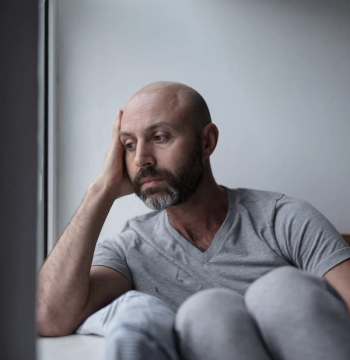
Your skin may heal, but emotional symptoms can linger — mental health care is key at every stage.

Anne Marie Singh, M.D., says that eczema has no single cause or cure, and families should be cautious about blaming one trigger like food.

Sleep expert Nicole Bowles, Ph.D., says firefighters should prioritize rest off-shift — and get checked for sleep disorders if fatigue persists.
A panelist discusses how cortisol excess often goes undetected in patients with poorly controlled type 2 diabetes and resistant hypertension, emphasizing the importance of proactive screening to improve diagnosis and treatment outcomes and reduce long-term complications.
A panelist discusses how abnormal dexamethasone suppression test (DST) results may indicate cortisol overproduction, emphasizing the importance of ruling out false-positive and false-negative results before proceeding to adrenal imaging for accurate diagnosis and targeted treatment.

Oral devices, nerve stimulation, position therapy and medications may offer alternatives to traditional CPAP therapy.

The PEDISTAD registry reveals that pediatric atopic dermatitis significantly affects not just children but their families, with sleep loss and emotional strain among the most reported challenges.
© 2026 MJH Life Sciences®
All rights reserved.